|
|
|
| ||||
 Ismaîn
 Introduction
Phonology
Declension •
Case usage
Adjectives •
Declension
Adverbs
Articles
Pronouns
Conjugation
Numbers
Derivational morphology •
Nominalizers
Adjectivizers
Verbalizers
Syntax •
Verb Usage
Constituent order
Noun phrases
Negatives
Questions
Subordination
Prepositions
Comparatives
References •
Conventional expressions
Calendar
Names
Example
Sound changes from Caďinor
Lexicon
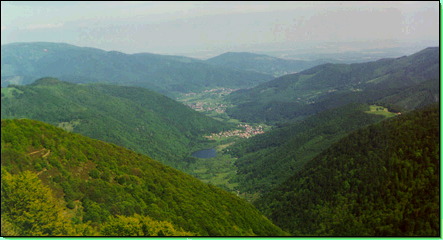 Ismaîn, a descendent of Caďinor, is spoken in the lands of Ismahi, Denisovič, and Azgami east of Verduria.
This area, forming the ancient Meťaiun state of Leziunea, was one of the last areas west of the Ctelm Mountains to fall under Caďinorian rule. Indeed, it retained its independence until the Munkhâshi conquered it (1612) preparatory to their reinvasion of the Plain. When Ervëa and Attafei combined to destroy Munkhâsh, the imperial idea was triumphant, and Leziunea was incorporated into the Caďinorian state. No great resistance is recorded, and the area slowly aborbed the Caďinorian religion and learned the Caďinor language. The Meťaiun language persisted until at least the 19th century, and some features of Ismaîn are held to derive from the influence of Meťaiun.
Amid the dislocations of the medieval era, the area drifted into independence in the early 2500s, as the kingdom of Ismahi. Our first records of Old Ismaîn are popular lays of about two centuries before, joined later by stories, sermons, and a flowering of epic verse-- mostly relating to minor Leziunean heroes inflated into avatars of the national character, since Ismahi has always had a fairly strong sense of itself as a distinct nation within the Caďinorian sphere.
The language of law and religion remained Caďinor, but the vernacular of the court at Raizumi (Raȥumi) became increasingly prestigious; the children of nobles were sent to the capital to learn correct speech. Literature in the vernacular flourished, and by the 2900s (a century earlier than in Verduria) government records were kept in Ismaîn.
There have been many influences on Ismaîn. Kebri erupted onto the littoral in the 2800s, conquering almost all of érenat (and the easternmost sliver of Ismahi). Kebreni traders plied the Ismaîn littoral, and many words were borrowed from their language, from commercial terms to slang.
Ismahi was caught in the middle of Elena Eleďe's wars with Kebri; the end result was the loss of the Gulag littoral (which had been de jure a part of the kingdom and de facto virtually a Kebreni colony, and which became de jure independent (as Denisovič) but de facto a Verdurian protectorate) and closer ties to Kebri. Another layer of Kebreni vocabulary entered the language-- e.g. philosophy, technology, accounting.
Nonetheless cultural intercourse with Verdurian has been constant, and Ismaîn has borrowed many words from Verdurian (and contributed some back). However, Ismaîn scholars still prefer to write their most important works-- their writing for the ages-- in Caďinor (reserving the vernacular merely for textbooks, commentaries, journals, and other ephemera). Reborrowing from Caďinor has, as in the case of Verdurian, enriched the language and facilitated communication with other states of the Plain.
In 3197 the eastern nobles rebelled, setting up their own kingdom, Azgami, with Dhekhnami support. The eastern dialects (in general more conservative and less subject to foreign influence) now absorbed some Dhekhnami vocabulary, notably military and diplomatic, with some slang and terms of abuse.
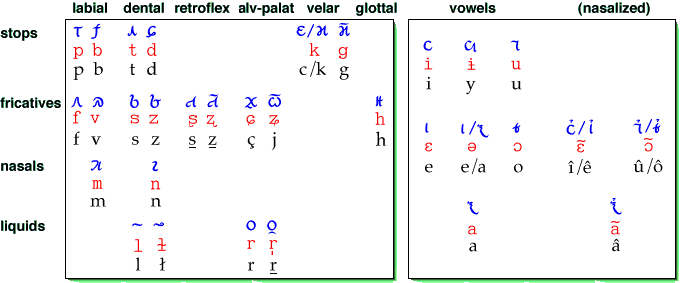
Verdurians (and English speakers) have trouble with Ismaîn's retroflex and alveolo-palatal fricatives, hearing ş ȥ as s/z or š/ž, and ç j as č/dž (an affricate pronunciation of ç and j is common word-initially). Such incorrect pronunciations must be avoided. Chinese speakers have an advantage, however: Ismaîn ş corresponds to (pinyin) sh, and ç to x.
If the phonetic terms throw you and your Chinese is rusty: ş is a sh pronounced with the tongue curled up behind the upper teeth, rather like the s in American English sure. ç is like the consonant in German ich with the tongue raised a bit; or alternatively, like a sh with some ich-like friction. The Polish ś is the same sound.
Ismaîn y is a high, unrounded central vowel, halfway between [i] and [y]. (It's like Swedish u without lip rounding.)
Since Kebreni also has the ç j y sounds (spelled ś ź y), and the Mišicama littoral was the last Monkhayic area to be conquered by the Caďinorians, a Monkhayic substratum influence has been suspected here. However, these sounds are not reconstructed for Meťaiun, and they are more likely due to influence from modern Kebreni. (At times the littoral was virtually a Kebreni colony).
c is used to represent the fronted [k+] found before front vowels, a, and most consonants; k is used for the retracted [k] (or even uvular [q]) found before back vowels. Phonemic status has sometimes been claimed for this distinction, on the basis of a few apparent violations of these distributional generalizations, such as as kêsŕa 'strategy', culi 'party'. These violations, however, always turn out to be Verdurian loan-words (or reborrowings from Caďinor), and have a tendency to be 'normalized' (cêsŕa, kuli), which lends support to the allophonic interpretation.
Most final vowels have reduced to [i] or [ə]; the latter is normally spelled e, but a after another e; thus emea [ɛmɛə]. The distinction between open [ɛ] and [ə] (shwa) may be marginally phonemic, on the basis of such minimal pairs as ce [kə] 'which' and ce [kɛ] 'who'. But these may be better explained by a rule that e does not reduce in one-syllable words (cf. me [me] 'water'); note that ce 'which' is really a clitic.
In Ismaîn dialect, nasalized î and ê are pronounced identically, as an open [ɛ̃], as are û and ô, as an open [ɔ̃]; the orthography preserves phonetic distinctions no longer made (except in some remote rural areas of Azgami).
r, n, and l can be syllabic in Ismaîn, as in thus lŕe, Saikn, eştł (compare English butter, button, bustle). Syllabic r is written ŕ; the distinction is phonemic, as can be seen with minimal pairs such as raçni 'thigh', ŕaçni 'spider'. The consonantal r is also pronounced with more closure, like a British r, but not trilled.
As in English or Catalán, l is clear beginning a syllable and dark (velarized, written ł) ending one; syllabic ł is always dark. As syllabic ł can precede a vowel (ułô 'ox'), the distinction is marginally phonemic. Syllabic n is always final and has no special orthographic representation. It almost always follows a consonant, but appears in some infinitives, 3p forms, and datives after a vowel; pun 'push' is pronounced /pu n/ (two syllables), not /pun/.
Students of Verdurian should note that Ismaîn h is aspirated, like an English h, not silent, as in Verdurian.
Stress generally occurs on the penult (second-to-last syllable). Syllabic consonants (e.g. ŕ) count as syllables.
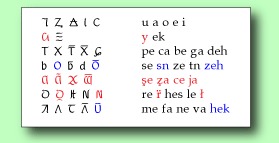
The nasalization diacritic is named mole 'soft', so e.g. ê is named e mole.
Note that Verdurians do not use the Ismaîn names for the innovated letters; they call ş ȥ ç j ŕ ł šen ismaë, ež ismaë, čen ismaë, čen vuáë, ra ismaa, la ismaa.
The result is a system indicating number and just three cases, nominative, dative, and ablative. The commonest patterns are shown below.
There is no general plural morpheme; rather, the plural root depends on the ending of the s. nom.: most commonly cons. → -i; -e → -i; -i → -u. There are however several sources of irregularity:
part honor summer heat night body job s. nom sŕ lôde eşte şale noçti çire mesi s. dat sŕn lôdn eştn şaln noçtn çirn mesn s. abl sŕes lôdes eştes şales noçtis çires mesis pl. nom sŕi lôȥi eşta şalo noçtu çiri mesu pl. dat sŕn lôȥn eştn şaln noçtn çirn mesn pl. abl sŕis lôȥis eştas şalos noçtus çiris mesus
(The expected reflexes of Caďinor feminine plurals would have been identical to the singular, and in fact we see this in some Old Ismaîn texts. The modern endings have been formed by analogy from (former) masculines in -e and neuters in -i.
The dative is formed by replacing the final vowel (if any) of the nominative with syllabic -n. If the root ends in -n-, an epenthetic -d- is inserted: mani 'hand' → mandn. Note that this only produces a distinctive plural form for words with an irregular plural form, such as lôde above, or lŕ 'life', which has the plural form liri and thus datives lŕn, lirn.
The ablative is formed by adding -s to the nominative plural form (-es after a consonant, as in sŕ).
( Again, the forms deriving from Caďinor feminine nouns (which would otherwise have been identical to the nominative) have been formed by analogy.)
The nominative is used for both subjects and direct objects.
The dative is used for indirect objects and the object of prepositions, and for destinations expressed without a preposition (e.g. maçtandn 'to the city'). It is not used as a formal genitive, as in Verdurian. (“The man's god” is se ŕeştis aze, not *ŕeştin.)
The ablative has taken the place of the Caďinor genitive (lêcŕynes mani 'a doctor's hand'), but also retains its role indicating the source of an action or movement (maçtanes 'from the city').
The ablative is not used as a partitive, as the Verdurian genitive is. Compare:
(Ismaîn) Vuli êzin sreve.
(Verdurian) Vulu šerëi.
I want some beer.
As with nouns, dative and ablative marking subsisted, though it was generalized to a uniform -n and -s respectively. However, these endings have disappeared from speech (except in a few fixed idioms) and are increasingly rare in writing.
It is now considered correct to omit the case endings when they are redundant with those of the noun: e.g. leve lêcŕynes niri 'the crazy doctor's machine', though they are retained in more formal contexts-- olŕs azes ôre 'the mighty god's shadow'.
lŕe beautiful → lŕegi
roji crazy → rojigi
şip mute → şipe
êȥił quiet → êȥile
meli good → meligi well
It's common to use en 'one' (parallel to plural êzin 'some') as a sort of indefinite article, though it is not absolutely required, as in English:
Lolŕ leli (en) şirn ceȥe fu î Ranŕn?
Did you see an elephant when you were in Rhânor?
nom acc dat abl I se es sen es thou le ec len les he/she şi şu şin tes we te tâ ten tâde you mih mî myn mos they şa şâ şan şas he/she loşu loşu lonşu lossu thou lolŕ lolŕ lonŕ losŕ you lomû lomû lonû lozmû s. refl. zes zyn zes pl. refl. zâ zan zas
Note that accusative forms have survived in the pronominal system. Accusative pronouns are used for direct objects.
The personal pronouns se 'I' and te 'we' are used only for emphasis, the verb form normally serving to indicate the subject. With third person verbs şi 'he/she/it' or şa 'they' are assumed if no subject is given.
The lo- forms were originally formal pronouns; e.g. lolŕ derives from lôde lŕi 'your honor', originally only one of many such expressions. However, lolŕ and its plural lomû are now used in almost all contexts.
Le and mih survive in some remote rural areas and in legal contexts, and le is sometimes used as a rather poetic expression of intimacy, something like tu in Brazilian Portuguese-- in popular songs, for instance.
Loşu has not been similarly generalized; it is still used with superiors, or between high-ranking equals. Note that there is no formal form (that's caught on) for 'they'.
Reflexive pronouns are used when (third person) subject and object are the same: lave zes 'he washes himself/ she washes herself'. There are no formal forms.
nom acc dat abl who ce ces cyn ces ca câ can cas what cete cetn cetes where cenŕe cenŕn cenŕes when ceȥe how cedyli how much eşkoli why pŕcetn which ce
The dative and ablative forms of pronouns of place (where, here, etc.) are used only as locatives (i.e., they are not used after prepositions or as genitives).
Nominal Adjectival nom dat abl this one ete etn etes this eli that one tode todn todes that iȥi here eçte eçtn eçtes now nûc there iȥeçte iȥeçtn iȥeçtes then âçe
some every no adj. êzin çei su -one ni pi nite -thing sizy pizy nizy -where sigeȥi puȥe niguȥe time sidêne pidêne sudêne
Second person forms are given apart; they are used as such only in remote rural areas (and in legal language). Third person verb forms are used for both the lo- pronouns and for le/mih.
Present
verb elirec
liverign
lookmizn
rejoicebeçtŕ
moveclajŕ
beatezn
be1s eliro riga miza beçti clagi sa 3s elire rige mize beçti claji e 1p elirê rigê mizê beçtî clagî ezê 3p elirn rign mizn beçtn clagn sen 2s elire rige mize beçty clajy se 2p eliro rigi mizi beçti clagi eze
The 1p ending is always the 3s nasalized; the 3p ending is always -n.
The 1s and 3s endings are usually the same in -ŕ verbs. If there is no explicit subject 'I' can be assumed.
(Clagi: The appearance of -g- in some forms is typical of verbs in -jŕ.)
Past
verb elirec rign mizn beçtŕ clajŕ ezn 1s eliry rigy mizy beçty clajy fuȥe 3s eliri rigi mizi beçte claje fu 1p elirî rigô mizô beçtê clajê fom 3p eliryn rigyn mizyn beçtyn clajyn fyn 2s eliry rigy mizy beçte claje fuȥe 2p eliri rigu mizu beçte claje fo
The 3s -i ending has been extended from the -ec to the -n verbs, which otherwise would have had forms identical to the present; note that this spoils the nasalization rule in the 1p, though only for -n verbs.
As if in recompense, the -n conjugation's 1s ending -y has been extended to the other two conjugations (and 3p -yn has been extended to the -ŕ verbs).
Past anterior
verb elirec rign mizn beçtŕ clajŕ ezn 1s elirŕy rigŕy mizŕy beçtŕy clajŕy fŕy 3s elirŕi rigŕe mizŕe beçtŕe clajŕe fŕe 1p elirŕî rigŕê mizŕê beçtŕê clajŕê fŕê 3p elirŕyn rigŕyn mizŕyn beçtŕyn clajŕyn fŕyn 2s elirŕy rigŕy mizŕy beçtŕe claŕje fŕy 2p elirŕi rigŕu mizŕu beçtŕe clajŕe fŕe
The past anterior is formed by infixing -ŕ- before the personal ending. Note, however, the 3s -e and 1p -ê for -n verbs.
Pres. subjunctive
verb elirec rign mizn beçtŕ clajŕ ezn 1s eliredo rigema mizema beçteşi clajeşi eşto 3s elirede rigeme mizeme beçteşi clajeşi eşte 1p eliredê rigemê mizemê beçtesî clajeşî eştê 3p eliredn rigemn mizemn beçteşn clajeşn eştn 2s elirede rigeme mizeme beçtede clajede eşte 2p eliredo rigemi mizemi beçteşi clajeşi eşte
The subjunctive forms derive from the Caďinor remote tenses.
The present subjunctive is formed by inserting the infixes -ed-, -em-, -eş- into the present tense forms for each conjugation. (That is, the personal endings match the present indicative.) Ezn has suppletive forms, as shown.
The subjunctive is used for doubtful, desired, conditional, or potential actions: vuli ȥi luzeme 'I wish he'd go'; Lolŕ laprine, lolŕ eşte eçte 'If you had hurried, you would be here.' (Note the absence of an explicit 'if'; conjoining two clauses in the subjunctive has the effect of an if-then clause.)
Used alone, it functions as a polite or 1st/3rd person imperative: Rigeme! 'Look!' Luȥemê! 'Let's go!' Elirede elŕyn! 'Long live the king!'
Past subjunctive
verb elirec rign mizn beçtŕ clajŕ ezn 1s elireşo rigina mizina beçtiri clajiri eşo 3s elireçe rigine mizine beçtiri clajiri eçe 1p eliregê riginê mizinê beçtirî clajirî eşcê 3p eliregn rigindn mizinn beçtirn clajirn eşcn 2s elireçe rigine mizine beçtire clajire eçe 2p elirege rigini mizini beçtiri clajiri eşce
The past subjunctive is formed with the infixes -eg-, -in, -ir-, with the same endings as the present subjunctive (not the past indicative). Note the variant forms of -eg- in the singular.
Participles
verb elirec rign mizn beçtŕ clajŕ ezn past elirił rigił miził beçtił clajił present elirile rigec mizec beçtic clajic ezec
Where English would use a participle referring to the subject to give a subsidiary action, Ismaîn uses î plus the infinitive: î leln losŕ mŕine... 'Seeing your boat....'.
Imperatives
The imperative is used for friends, family, children, and animals; but for speaking to superiors, in any formal context, and for the first and third person, the present subjunctive is used instead.
verb elirec rign mizn beçtŕ clajŕ ezn s. elire rigi mizi beçti clagi pl. elireł rigił miził beçtił clagił
Irregular verbs
The following verbs have irregular present forms.
Other irregular forms are indicated in the lexicon.
eştandn
comeebezn
canden
givenezn
be bornvulŕ
wantlyvec
lovefaşn
do1s eşta yza da neza vuli lo fy 3s eşte ebe de ni vił ly fe 1p eştanê ebezê dê nezê volî lyvê faşcê 3p eştandn yzn den neȥn voln lyvn faşn 2s eşte yze de neze vił ly fe 2p eştani ebeze ȥi nezi voli lyvo faşko falŕ
be nec.yzŕ
providecylŕ
muster1s fali yzi kuli 3s fł y cił 1p falî yzî kulî 3p faln izn cyln 2s faly y cił 2p faly yzi kuli
digit x10 ordinal 1 en deç pŕu 2 zin teȥeç tŕe 3 ȥin têdeç temŕe 4 paŕ şiȥeç şitne 5 pâs pâdeç pâte 6 sus suşdeç suşte 7 hep iȥeç hebe 8 yçi yȥeç ycri 9 nuri nŕdeç nŕti 10 deç seşes deçti
Numbers under 100 are formed by concatenation: şiȥeç paŕ 44, iȥeç pâs 75. Note that ones numbers end in -deçten, not -deçen.
The ancient Meťaiun practice of counting by ŕâde, eighteens, is still common in Ismahi.
Larger numbers: 3481 = ȥin mił ŕ paŕ seşes ŕ yȥeçten.
The present participle is also used: tehrec sculptor, grojile miller; lurizic dancer. These forms are epicene, but in a few cases feminine forms -ece, -ileȥe, -ice have been derived-- e.g. sorece 'girlfriend'.
For large animals without a suppletive feminine term (cf. bedŕe 'bitch', troȥe 'sow', ymête 'mare'), female forms can be formed with this suffix: gŕôȥe 'lioness', lubehȥe 'vixen'. For other animals, the adjectives sr 'male' and yne 'female' are preferred: yne sŕi 'female mouse', sr myşe 'male sparrow'.
Ceȥe se voił iȥeştanî, se tagene nûc zes azesre.
When the messenger arrived, the battle had already been lost.
The subjunctive is similar to the Verdurian conditional (e.g. both are used in if clauses, in wishes, to make a subordinate clause indefinite, or to soften requests). But the subjunctive is used after verbs of wishing or wanting, unlike the conditional; and the various degrees of conditionality seen in the Verdurian conditional are absent in Ismaîn.
Den 'give' is used as a causative:
Si zi es razr se kone, mişe!
He made me shave the dog, Mommy!
Denec 'continue' can be used as a progressive, much like Verdurian dénuo (to which it is cognate):
Dene eştandn es domn.
He keeps coming to my house.
Other common auxiliaries are ebezn 'is able to', vulŕ 'want', laşn 'ought', preȥŕŕ 'permit', eşŕ 'almost', eştandn 'just':
Es reȥe eşe eşkuştn. My grandmother almost died. Losŕ lyve eşte luraşr iȥi pon? Didn't your lover just kiss that soldier?
Ismaîn uses these auxiliaries in place of Verdurian's auxiliary adverbs (dénuo, siča, nunece). Note that there is no direct equivalent of ya, yatá. However, completed action is often implied by the absence of denec.
Se dali ly se ŕȥiȥe.
The king loves the witch.
Se ŕȥiȥe se dali ly.
The witch is loved by the king.
Where the subject is unknown or unstated, the reflexive can be used (as in Verdurian, except the pronoun follows rather than precedes the verb):
Şŕeve leçe zes eçte.
Beer is sold here.
With animate subjects this could lead to ambiguity (is the witch loved by someone, or does she love herself?) The indefinite article en can be inserted before the verb to emphasize the passive meaning:
Se bâsyn ȥize zes. The foreigner hates himself.
Se bâsyn en ȥize zes. The foreigner is hated.
Eli bouni ałtŕe se hudŕyn.The more common means of topicalizing the object is to front it (that is, to use OSV order).
this cows knows the Ťmer
These cows, the Ťmer knows them.
Ismaîn places accusative pronouns after, not before the verb as in Verdurian: Lo şu 'I love her.'
Adverbs are normally placed just before the verb-- not after it as is usual in Verdurian, nor at the end of the sentence as in English.
Lolŕ boveregi aȥeşe se Belaşe êdŕnes?
Did you foolishly lose the Sword of Enäron?
All this is as in Verdurian. However, genitives precede rather than follow the noun in Ismaîn: grojiles eşkoi 'the miller's cabbage', es hoşe 'my cat'. (This is usually considered to be under the influence of Kebreni; note that older Ismaîn worked like Verdurian or Caďinor, as evidenced by expressions like lôde lŕi 'your honor'. Genitives also tend to migrate after the noun when determiners or adjectives are added to the noun phrase: iȥi boȥe sorec çirynes 'that big boyfriend of the lieutenant's')
Luȥa pitŕ tapre. I won't drink a drop.
Zoclisi tełni sic. The priest didn't find a thing.
The negative particles, and their original meanings, are:
sic (little) thing şime step nizic nothing mi spoonful tapre drop frişe crumb megic instant çip peep
All of these have been generalized and can be used in all contexts, though there is still a tendency to use the last five with semantically appropriate verbs-- e.g. tapre with verbs of drinking or pouring. Mi is the most general of those, usable with anything involving a physical quantity-- you can negate 'read (books)' or 'buy' with it, but not 'dream' or 'imply'.
The most common particles are sic and şime. Nizic has an emphatic meaning: vuli nizic means 'I don't want it at all.'
For those particles which can still be used with a nominal meaning (basically all but nizic, mi, megic), the positive meaning can be forced by modifying the noun. Thus:
Other negative words like nite 'no one' or sudêne 'never' should be considered alternatives to the ordinary negative particles-- that is, you say Clajy sudêne s'altiłneo 'I never flogged the archbishop', not *Clajy sic sudêne s'altiłneo.Se jy glîte tapre.
The boy didn't swallow (swallowed nothing).
Se jy glîte en tapre.
The boy swallowed one drop.
Lolŕ tełni lossu şirn?You can also (a bit more formally) precede the statement with eşte ȥi, literally 'is it that...' in the subjunctive:
Did you find your elephant?
Eşte ȥi lolŕ leleme es crif?Or (informally) append the tag eçu, borrowed from Kebreni:
Would you read my manuscript?
Lolŕ ałtŕe iȥi lele raizumne, eçu?As in Verdurian, question words can either be fronted or left in the appropriate syntactic position within the sentence.
You know that cute Raizumi girl, right?
Ce eşcrive ceçn rulêses miri?A fronted object or direction interrogative is followed by ȥi 'that'.
Who knows how to put out kitchen fires?Si saȥe en zŕe kû cetn?
He ordered a pizza with what?Pŕcetn se zoclisi kûprozi jen sic es neşe?
Why didn't the priest take my daughter home?Cenŕ e iȥi şirn?
Where is that elephant?
Es meze ugŕbi ces?
Ces ȥi es meze ugŕbi?
Who did my son insult?Se kurn luȥi cenŕn kû es ozłn?
Cenŕn ȥi se kurn luȥi kû es ozłn?
Where did the Kebreni go with my donkey?
Ȥumo [ȥi se bone rêluȥi jen].A clause can be subordinated to a noun phrase with the same particle (not with the interrogative pronouns ce or cete).
I think [that the cow has returned home].[Ȥi vił kudec se maçtane] ôlaşe.
[That it wants to attack the city] is likely.
Şŕeşti [ȥi tene sic bŕegi] ebe sic pêtn çişte.Note that only word order indicates the role of the referent in the subordinate clause: in the first example, there is no subject given before tene, so şŕeşti is assumed to take that role; in the second, there is an explicit subject before lyvn, so pêtile must be the object.
The man [who has no arms] cannot play the guitar.Pŕuşe ebe pêtn se pêtile [ȥi se sei lyvn].
But he can sing the song the women love.
As in Kebreni, subordinate time and place expressions use this general mechanism rather than any time- or place-specific subordinator.
Sudêne luȥa rêluȥn se nŕn [ȥi ômeti sen se mł mohci].
I will never go back to the place [that served me the bad clams].
Phonologically , prepositions are clitics in Ismaîn; most notably, those ending in a vowel cause a following consonant to voice. So pre komidn 'before the count' is pronounced (but not written) pregomidn. The prepositions ending in a nasal also insert an n before a vowel: î avisŕn 'in the academy' is pronounced înavisŕn.
ah against işpre behind, after, in back of aȥi away from, out of, made of ko alongside, beside, next to buz without kû with de at (time), during ô near, among, at the house of ede about (subject), as to, as for pre before, in front of, till hube under, below pro for, in order to, because of î in, inside, into tre across, over, beyond ir above, over saş through, using, all the way till izi outside, outside of sŕ on, on top of izô around, surrounding şł between
Where Verdurian would use the prepositions ad 'to', Ismaîn uses the dative alone; and where Verdurian uses de 'from' or i 'of', Ismaîn uses the ablative alone.
Prepositions normally govern the dative. Some writers, imitating rather than preserving Caďinor usage, use the three cases to make distinctions of direction:
î domn (dat.) in the house (location inside) î dome (nom.) into the house (movement inside) î domes (abl.) out of the house (movement outside) sŕ meȥedn (dat.) on the table (location on) sŕ meȥede (nom.) onto the table (movement onto) sŕ meȥedes (abl.) off the table (movement off of)
But it is more usual to ignore the first distinction (dat/nom), and for the second (abl.) to use prepositions of opposite meaning: aȥi domen 'outside the house'.
For time expressions Ismaîn always uses prepositional phrases (unlike Verdurian but like Caďinor): de ôtŕn 'in the morning' (cf. Ver. utron), de ȥin hŕin 'at the third hour', pro noçtin 'for a night', de çei dêndn 'every day', tre iȥi vitren 'after that evening'.
Se saȥuȥee e lŕe ah jirendn.
The princess is more beautiful than an ibis.
“X is less Q than Y” is expressed as “X is not Q, against Y”:
Se saȥu e sic lŕe ah mŕsyn.
The prince is less beautiful than a beaver.
There is no set superlative; one must resort to paraphrases such as
S'elŕyn e pŕu ede mułeşen
The king is first in dullness.
| Emei! | Meli dêne. | Meli vitre. | Tre zetŕn. |
| greetings | good day | good evening | across tomorrow-DAT |
| Hello! | Good day. | Good evening. | Till tomorrow. |
| Ni e î jen? | Ce e? | Pilea. | îreme. | Azeşi. |
| someone is in home | who is | moment | enter-SUBJ | sit-SUBJ |
| Is anyone home? | Who is it? | Just a moment. | Come in. | Sit down. |
| Cedyli ȥi luȥe? | Meligi. | Male sic. | Ŕtegaŕdi şyrn es. |
| how that goes | well | badly not | bunions hurt-3p me |
| How are you? | Very well. | Not bad. | My bunions hurt. |
| Toçe şałne lonŕ? | Eşte şałnic. | Sa şałne, saş Şalodeȥn! |
| enough hot you-DAT | comes warm | am hot thru Caloton |
| Hot enough for you? | It's warm out. | I'm hot, by Calto! |
| Plŕe es rêşn lolŕ. | Losŕ şaȥeȥi. | Yza manudn lolŕ? |
| pleases me meet you | your orders | can-1s help you |
| Pleased to meet you. | At your service. | Can I help you? |
| Oȥi. | Sic. | Ebe. | Eşrivo sic. | Luȥi preşŕ losŕ midre. |
| so | not | can | know-1s not | go-IMP ask your mother |
| Yes. | No. | Maybe. | I don't know. | Go ask your mother. |
| Losŕ ajelen. | Melnida. | Nizic. | Ruseşi es. | Cyłpi. |
| your kindness | thank-1s | nothing-DIM | pardon-SUBJ me | guilty-1s |
| Please. | Thank you. | You're welcome. | Excuse me. | I'm sorry. |
| Tre rê'le. | Fu plŕeşe. | êdŕn bêjeşi! | Se prire e iȥeçte. |
| across reseeing | was pleasure | Enäron bless-SUBJ | the true is there |
| Goodbye. | It's been a pleasure. | Enäron bless you! | The truth is out there. |
| Eşkoli zôni ȥi lolŕ tene? | Teno teȥec paŕ zôni. | E ce hŕe? | E se şitne hŕe eşcŕeȥes. |
| how-many years that you have | have-1s 20 4 years | is which hour | is the 4th hour afternoon-GEN |
| How old are you? | I'm 24. | What time is it? | It's 4 in the afternoon. |
| Cete ȥi lolŕ zes apele? | Lo lolŕ. | Tode e tiplybe? |
| what-ACC that you refl call | love-1s you | that is wig |
| What's your name? | I love you. | Is that a wig? |
Both days and months have the same basic meanings as in Verdurian (inherited from Caďinor, of course). However, scúreden and zëden take the names of their patron goddesses (Řavcaena and Ažirei) rather than their portfolios (the land and the sea); and for néronden the old name based on the name of the god, necŕne, has given way to simply 'market'.
Days of the week Months of the year Ismaîn Verdurian season Ismaîn Verdurian craşne scúreden demetri (spring) olaşci olašu içŕne širden resleȥe reli fizrne fidren cŕêdô cuéndimar şalone calten eşte (summer) veŕişe vlerëi ajŕne zëden şale calo leşcŕe néronden reşkuleşe recoltë êdŕni ceďnare kuleşe (fall) igŕe yag jele želea içireşe išire yŕi (winter) eşcŕi shoru froe froďac beziâde bešana
-ne on the day names is of course a worn-down form of dêne 'day'.
The fifth-year leap day, kasten in Verdurian, is caçile. Both words mean 'hidden (day)'.
The elements are listed in a compact form to save space, as follows:
x root used only in names (x) material drops out in end position [x] material drops out in first position x voiced in end position after a vowel, in first position before a vowel (h → g). Applies to all initial s and s, which therefore are not underlined so as not to conflict with each other. x- element used only in first position -x element used only in final position L written ł if it ends a syllable, otherwise l R written ŕ if it ends a syllable, otherwise r
Girls' names are chosen according to meaning (and the taste of the family), not according to the ancient gender. Often a final -ȥe is added. (Conversely it's removed from a male name even if it's etymologically part of the root.)
Some examples:
m: âdŕeȥn, Lôdeȥin, Gliniglure, Beşezł, Bŕegevŕ, Humegł, Alerih
f: Lŕejine, Memaçe, Faleneçte, Elyjeneȥe, Lyşyse, Ŕoneȥe, îjezał
either: Ezielis, Azedŕes, Frejił, Noçtinezec, Eştejił, Azegome, Obezône
âdR mighty glini long pone warrior ale earthly glure sword rih speed aze god guze power ŕ south bane road gŕe good sense ŕone eagle bêjiL blessed h(o)L iron ŕse bear belŕ friend hume guts ŕte flower bene[ȥe] blessing îje kind -ŕyn, -ŕe leader bese hero ili shiny sea woman beşe war jene clan sigi quiet bŕec glory jine girl sili grace claşe bright jive lively sule young cŕde heart kome wonder sŕ east cŕi court kume hearth sŕte fate cŕy grace l(i)ŕ melody ş(e)ŕ pure, male daşce animal lôde honor şale heat, Calto dêne day loge word şin oak dome house lyşi meadow şişte pure dragR dragon lŕe beautiful t(e)L west dŕes sign maçe mistress tale brave elis virtue me water ûse sweet ely[de] free melŕ better vazŕe grace elŕ life meȥe benevolent ve[a]se generosity elŕe lovely mire fire voiL sent evr lord â, ^- first -yn, -e leader ezi- great nen north yzi mercy eşte summer neçte snow zaL enrich êȥi wood nezec born z(o)L strong -eȥn clan noçti night zome stone ezre ivy nyze determined zône year fal[il]e white nŕ holy zule joy fâte spirit obe wealth ȥiL given fili fern oh gold (ȥu)jiL desired fre[ȥe] faith ovŕ[i] prosperous g(e)n oppress pe peace
Below are listed most common Eleďe names. They were borrowed from Old Verdurian, or more precisely Old Avélan, early enough that a few sounds lost in Verdurian (e.g. h) were preserved.
Arashei religion was never strong in the littoral, so that very few Cuzeian names were known there. Some have been borrowed in recent years from Kebri and érenat, in fairly transparent forms (e.g. Adaurie for Ada:urio, Ver. Adäurio.)
Masculine Feminine âdre Ezece Melizec Tezore âdreȥe Hŕme Ylane Alece Eȥeni Miheł Timea Agadŕne Hloe Raheł Yleȥe Aplene Felic Moze Tide Agaze Iri Revece Yzuȥe Apole Fileme Mŕce Tome âheł Koşmeȥe Roze Zamari Arn Filipe Mŕtine Tuhô Alezeȥe Kureȥe Ruze Zanele âtipa Gamaleł Nazneł Vŕzoł Aleceȥe Lineȥe Sare Zareȥe âtone Graveł Nikoł Vŕhnave âne Lizavede Sileȥe Zeneȥe Avran Hegore Oane Vazile âtoneȥe Loi Soviȥe Zŕce Aveguşte Hişteve Ozis Venimê Azane Lukeȥe Sûty Azan Hŕhe Paveł Yle Cecile Luziȥe Suzâne Aziane Ikove Petri Yzu Clazeȥe Luzyce Sene Cefe Izac Samył Zaneł Eliȥe Mateȥe Tazeȥe Claze Izô Saveł Zarea Emeȥe Melani Tavize Clemête Koşme Sevaşte Zamane Eştŕe Miheli Teraȥe Cŕnele Kure Sile Zahare Eve Mŕgide Timeȥe Ele Lavrête Simô Zaviz Evnice Mŕiȥe Tideȥe Eme Lazare Solô Zemeçe Eveheni Nadali Vazileȥe Eneł Line Soştê Zene Fŕnice Oaneȥe Vetrice Eraşte Luce Sŕhe Fove Petri Vŕene Eştefe Lukene Sumeô Hacne Prişce Vŕnice Ezea Mate Tazea Helene Pŕsi Vŕvŕe
Quite a few Kebreni names have been borrowed over the years. These are not listed here; they are generally transparent.
The usual diminutive endings for names are -ic and -şe. You also truncate the name to its stressed syllable: Alerih → Rihic or Rihşe, îjezał → Zalic, Obezône → Zônic, Soşte → Soştic, Ylane → Lanic or Lanşe, etc. One can also use the augmentative -ô (also with the abbreviated root) for a jocular affective name, often used by adolescents: Rihô, Zalô (or Zalôȥe), Soştô, Lanzô, etc.
Işpre şi pêti en Mŕnais pêtile. Si teni sorne va, alede ŕ ûse. Neşi se çelyşicŕe, ŕzigi Fŕnice ruse şu.
âçe şi lurize, ȥi Paveł pêti se çişte. Si liali zes sŕ en meȥede, pułneri najis, se meȥedi fyn nizic traze zł, ŕ toçegi dejelô, pŕuşe şi tôbe şime. Paveles pêtile fu hŕ ŕ demeȥe, ŕ şi silizegi lygimi eçtes ŕ iȥeçtn, tes glini bŕegi rolyn, pidêne beçtic, î ylin en ŕaȥis.
Si olôti zes ȥi eştani traze şałne, ŕ dave zes şami, degaşe zes alede, macre çire. Si deni avŕ brezi aȥi melaşte azre sesen izô zes limŕin, ŕ nimŕne şi dave ŕzi etn, ŕ bŕugi şâ eşte saş toşein, î rolŕ şâ î şaleȥen. Nûc şi eşe ezn pułneri, adreli zes pyş ŕi limŕi kû şizi tesn, zes breve sôsŕe çeveȥe, zes nejine naji. Fu sorne lurize; ŕ işpre ȥi pugi, şi aze buz rêtaln zes limŕi.
Fŕnice rene homi, pŕuşe Gŕedł eşpagi şin îsigŕ zes. --Lolŕ e nizic zoclisi, eçu?-- eşpagi. Si eşte mł lurizic, ŕzi se ruseşi sic şu; pŕuşe pro ȥi şi e en meli, sa lŕeje ŕ ŕzi lolŕ laşe ezn.
Afterward she sang a song of Mŕnai. She had a lovely voice, high and sweet. The company were enchanted, and even Fŕnice forgave her.
Then she danced, while Paveł played the guitar. She got up on a table, barefoot-- the tables were none too strong, and we were rather worried, but she didn't fall down. Paveł's song was slow and sad, and she swayed gracefully back and forth, her long arms twisting-- always in motion, like a bird.
She complained that it was too hot, and removed her tunic, revealing her tall, thin body. She was wearing bands of fine blue silk across her breasts, and presently she removed these too, and used them as scarves, twirling them in the air. Now she was almost naked, showing her small round breasts with their sharp nipples, her short brown hair, her delicate feet. It was a lovely dance; and when it was over she sat down without covering up her breasts again.
Fŕnice was offended again, but Gŕedł told her to be quiet. “You are not a priest, are you?” she said. “If she was a bad dancer, I wouldn't forgive her either; but as she is a good one, I am happy and so should you be.”
Footnotes
Pitŕe. In English we tend to abandon the past perfect after the time frame is established, but Ismaîn continues in the past anterior till the flashback is over-- here, an entire paragraph.
Eştani traze şałne. In Ismaîn (as in Verdurian) you don't say it 'is' warm, but it 'comes' warm.
Eşe ezn pułneri. In effect 'almost' is an auxiliary verb (eşŕ) in Ismaîn: instead of saying “she was almost naked”, you say “she almosted to be naked.”
For nothing. Literally, “it were for nothing, the gods damn her.” Both clauses being in the subjunctive, an if-then condition is implied.
Like a bird. Literally, “in the way of a bird”, which is how metaphors are expressed in Ismaîn.
As she is a good one. Literally, “because that she is a good [an adjective used as a substantive needs no supporting noun], I am happy and also you should be.”
Si olôti zes ȥi eştani traze şałne, ŕ dave zes şami, degaşe zes alede, macre çire.
Zet feyne dy žanne tro cal, er deuverne hendana zië, ozë dekašre soa cira zië hautä er macrä.
Si deni avŕ brezi aȥi melaşte azre sesen izô zes limŕin,
Dénuo zet abilne ab bresin is telnen azuren setan tra limuren zië,
ŕ nimŕne şi dave ŕzi etn, ŕ bŕugi şâ eşte saş toşein, î rolŕ şâ î şaleȥen.
er fruece otál cam deuverne, er cam bruhne com toššeyen, kaëm launivne im šalean.
Nûc şi eşe ezn pułneri, adreli zes pyş ŕi limŕi kû şizi tesn,
Nun fue prosice polnë, ontne soem limurem zië pavem er bulsem cum soin čisuin tetin,
zes breve sôsŕe çeveȥe, zes nejine naji.
ševeom brevem yontem, nežnem nažem zië.
Fu sorne lurize; ŕ işpre ȥi pugi, şi aze buz rêtaln zes limŕi.
Fue eyurë lavísia; er kiam urokešne ásure sam surošan on limurem zië.
lg → ȥ ulgec → uȥec ll → ȥ /i_ anguilla → âguȥe i → ȥ /V_V Alameia → Alameȥe, helgaios → eȥaȥe c → ç /_[+stop] iectu → içti l → 0 /_l matella → madele (s,t,d) → 0 /_# leus → ly, tund → şin, dect → deç l → ł /_C, _# elcar → ełşŕ, espuel → eşpuł k → kh /#_B konna → hône g → j /_F, _n drogis → droji, cugna → kujne c → ç /_F, _n lisucia → lizyçi, racnis → raçni c → ş /_a calco → şałce, rocca → roşe d → ȥ /_H, Vi_ dithas → ȥise, londuran → lôzrn, creidas → creȥe t → ş /(V,#)_H, Vi_ latuan → laşn, tisis → şizi, daitos → zaşe, but cinta → çîte u → y /(C,#)_C(C)i celuscir → çelysr d → ȥ /V_V kudos → huȥe b → v /V_V hibu → ivi p,t,k,c,s,f→[+vcd] /V_V leta → lede, luka → luge, oforis → ovŕi kh → g /V_V rikhan → rige y(n,m) → î / _C gluntir → glyntir → glîtŕ V(n,m) → V^ / _C grandos → grâde, konna → hône h → 0 homra → ôre, pahor → paŕ a → e /C_(C)# pusa → puze o → e /C_(C)# genos → jene, collo → kole u → i /C_(C)# noctu → noçti, manus → mani o → u /_ł polnos → pułne (s,z) → [+retr] /Vi_ Eleisa → Eleize → Eleȥe a → 0 /_([+back],e) raeďos → reze u → 0 /_o cuomos → kome o → 0 /e_ seoris → seri → zisŕi i → 0 /V_ aiďos → aze, creidas → creȥe e → 0 /H_ ciel → çił, ruema → rume Fu → y /_ ciulis → çyli, leus → ly io → y /_ riotos → ryde ir → ŕ / _# salethir → salesŕ, but silirus → siliri Vr → ŕ, V t i saudara → suzre, acernos → asrne (a,e)b → u /_r glabro → glure, nebri → nuri ib → y /_r kibru → kyri b → 0 /V_r probren → prorn th → s reth → res, thikhis → sigi ď → z aiďos → aze, ďannos → zâne kh → h /_ iuekhos → yge s → 0 /[+stop]_ opser → opŕ k → c /_(F,a) kekan → cegn, kapro → capre k → c /_[+liquid] krase → craze c → k /_B cugna → kujne, scupo → eşkube s → ş /_[+stop] stannos → eştâne, spica → eşpişe V → 0 /_n# leilen → lelen, Endauron → êdŕn-- not in monosyllables Fm → V^ /_# krim → crî s → st /_r aeluthres → elusre → elustre ç → ş /_(r,ŕ) acernos → açŕne →asrne ç → ş /#_[+stop] cteies → çteȥe → şteȥe → eşteȥe ç → 0 /ş_ n → nd /_n# ctanen → ştann → eştandn p → 0 /_(t,p) saeptos → sete, sioppa → sype t → 0 /_t mettan → metn s → ş /_m lismos → lişme ş → eş /#_C stannos → eştâne, spica → eşpişe r → 0 /_ŕ cruros → crŕe → cŕe e → a /e_# Seraea → Sŕee → Sŕea s → 0 /_[+sib] scehira → sçeŕe → şeŕe e → 0 /_ł# tipel → şibł, uctal → uçteł → uçtł
Ismaîn words borrowed into Verdurian include bašti ‘sticks’, čiste ‘guitar’, bečón ‘fast dance’, sorea ‘love song’, režučia ‘ballad’, velašir ‘elope’, cumetu ‘seafood salad’, šaune ‘broth’, rüdile ‘iced dessert’, penil ‘jam’, sašne, sasavi, glure, mešu, alasi ‘types of coins’, harige ‘a diacritic’, nilne ‘skirt’, süpa ‘cap’, nkaš ‘fear’, seslina ‘turquoise’, urze ‘strange’, žnea ‘cuteness’, žicse ‘cushion’.
Words borrowed from Verdurian include asŕ ‘merry’, altilneo ‘archbishop’, beô ‘baron’, bezr ‘observe’, carzile ‘scimitar’, ceznŕe ‘factory’, crif ‘manuscript’, culi ‘party’, ilneo ‘bishop’, kêsŕa ‘strategy’, lanica ‘panties’, ohule ‘gold coin’, ontece ‘experiment’, perun ‘million’, rieh ‘mirror’, sore ‘romance’, sorŕ ‘court’, şoh ‘duke’, tiplybe ‘wig’, toşea ‘scarf’, zaneme ‘velvet’, ziec ‘race’, zitel ‘highway’, ȥusni ‘lace’; as well as the loan-translations hônŕe ‘bank’, kûmaltŕn ‘understand’, kûprendn ‘grasp’, logŕe ‘dictionary’.
Ismaîn words borrowed from Kebreni include abaje ‘knife’, bej ‘grape’, bongryr ‘nasty’, bryh ‘eye’, buraç ‘sponge’, cahaba ‘coffee’, cahabŕe ‘coffeehouse’, çelu ‘tea’, eçu ‘tag question’, fyru ‘baths’; gonŕe ‘Kebreni quarter’, gŕcrege ‘ledger’, asane ‘army’, kulseu ‘commander’, vaneu ‘ruler’, ijicse ‘cushion’, lele ‘cute’, line ‘lord’, mijŕune ‘platinum’, mohce ‘clam’, nabreu ‘captain’, nyne ‘maiden’, ses ‘jewel’, tênu ‘port’, tihede ‘anchor’, tŕyveu ‘trader’, tŕyvn ‘trade’, vyro ‘sailor’, as well as many place names, such as Aveleh, Azgami, Ismahi, Raȥumi. (See also the Caďinor lexicon for borrowings from Monkhayic!)
Currently contains 1530 entries.
| abaje | knife [Kebreni abaźe] | |
| âçe | then (at that time) [ANCE] | |
| adône | room [ATONNOS] | |
| adônic | cabin, hut [dim. of ‘room’] | |
| adreln | show [AD + LEILEN ‘show to’, showing dissimilation] | |
| âdŕ | mighty, powerful [ANDEOR] | |
| agasarde | cholera [reborrowing of AGASARDA ‘poking disorder’] | |
| âgyle | eel [ANGUHILA] | |
| aje | kind [AGELLETES] | |
| ajele | kindness [AGELLA] [Losŕ] ajelen Please [‘(by) your kindness’] | |
| ah | against [AȞ] | |
| Ajire | Ažirei, goddess of the sea[AGIREIS] | |
| ajŕne | the fifth day of the week, zëden [‘Ažirei’s day’] | |
| alade | grammar; the basics of any field; manual [ALUATAS] | |
| aladize | basic, preliminary; grammatical | |
| Alameȥe | Almea [ALAMEIA] | |
| alaseȥe | music [ALAIŤEIA] | |
| alasi | the alati, a type of bird; an emur coin with an alati stamped on it, worth 1/12 of a glure [ALAŤIS] | |
| alasŕyn | village chief [ALAŤORION] | |
| alaȥe | village [ALADEIA] | |
| ale | earthly [ALES] | |
| alede | high [ALETES] | |
| alile | garlic [ALILO] | |
| a | womb [ALBRA] | |
| a | receive, welcome [ALDEC] | |
| a | welcoming, hospitable | |
| alti | (Eleďe) archbishop [Ver. altilneo] | |
| a | other [ALTRES] | |
| a | know (persons) [ALTERAN] | |
| a | treasure [ALCALIE] | |
| amŕave | law [HAMURABOS] | |
| amŕŕ | respect [AMARIR] | |
| amŕede | respectful | |
| anŕ | elder [ANOR] | |
| apeln | name, call [APPELLAN] | |
| asane | army [Keb. aṫana] | |
| âse | handle [ANSOS] | |
| asŕ | merry [Ver. äser] | |
| âşe | hip [HANCA] | |
| âty | prank, joke [ANTIU] | |
| âtyde | mischief [ANTIUTA] | |
| âtyşi | mischievous, naughty [ANTIUITIS] | |
| aşŕne | maple [ACERNOS] | |
| avegŕ | worse [AVECOR] | |
| Aveleh | Avéla [Keb. Avelaḣ] | |
| avelehes | cape [abl. of ‘Avéla’, where capes were once a fashion] | |
| avêse | clothes [‘wear’ + -êse] | |
| avisŕ | academy, ‘high school’ [AVISSAR] | |
| avŕ | wear, put on [HABER] | |
| Azgami | Ismaîn-speaking kingdom east of Ismahi [Kebreni Hazigami ‘land of the proud’] | |
| aze | god [AIĎOS] | |
| azeȥe | goddess | |
| aznŕe | temple [AIĎNAURE] | |
| azŕ | sit [ASIR] | |
| azune | seat [ASUENA] | |
| azuni | saddle [ASUENIL] | |
| aȥi | away from [AIUS] | |
| aȥeşŕ | lose [aȥi ‘away’ + eşŕ ‘fail’] | |
| aȥurn | amuse, have fun, (formal) play [AIUBREN ‘rest, retreat’, from AIUS ‘away’] | |
| aȥurêse | place of amusement [AIUBRENSA] | |
| aȥibe | fat [ADIPAS] | |
| aȥŕde | sapphire (pl. -da) [ADURDAS] | |
| aȥŕe | blue [ADURES] | |
| balane | date (fruit) [BALANOS] | |
| bane | road [BANOS] | |
| bâse | foreign [BANSES ‘of the road’, i.e. coming from out of town] | |
| bâsyn | foreigner | |
| basŕ | hit [BAŤIR] | |
| başe | barrel [BAITA] | |
| başte | stick [BASTOS] başti the sticks, a percussion instrument consisting of various-sized sticks, some solid and some hollow | |
| baze | low [BASES] | |
| bêbe | gourd [BEMBOS] | |
| beçtia | movement | |
| beçtô | a fast dance accompanied by guitar, drums, and başti [augm. of ‘movement’] | |
| beçtŕ | move [BECTIR] | |
| bedŕe | female dog [BAETERA] | |
| bej | grape [Kebreni beź] | |
| bejŕe | bunch of grapes | |
| bêjŕ | bless [BENGIR] | |
| belaşe | sword (general term), pl. belaçi [BELAICA] | |
| belŕ | friend [BELOR] | |
| belŕsyli | friendly | |
| beneȥe | blessing [BENEDA] | |
| beô | a Verdurian baron [Ver. beom] | |
| bese | hero [reborrowing of BAESOS] | |
| beziâde | the third month of winter (and last of the year) [BAESIANDA ‘promise’] | |
| bezr | observe, inspect (esp. in a scientific sense) [Ver. beďir] | |
| beȥe | war [BELGO] | |
| beȥline | general (that is, the highest military rank below the king) [‘war-lord’] | |
| bîde | vine [BIDNO] | |
| biȥŕ | hoard[BILLIR] | |
| boçtn | have diplomatic relations with [BOCTAN ‘treat, deal with’] | |
| boçteşe | diplomacy; diplomatic relations [BOCTEICA] | |
| boge | block; die (pl. boçi) [BOCOS] | |
| bone | bull, cow [BOUNOS] | |
| bongryr | nasty, skanky [Keb.] | |
| bosn | kick [BOŤAN] | |
| boşme | wrinkled [BOSMES] | |
| bove | fool [BOBO] | |
| bovere | foolish | |
| boze | wrinkle [BOSOS] | |
| boȥe | big; much [BOLGES] | |
| braşce | flour [BRASCO] | |
| breve | short [BREVES] | |
| breze | strip; breast-binding [BRESOS] | |
| brign | fight [BRIGAN] | |
| bruvn | loosen [BRUVEN] | |
| bruvne | loose, loosened | |
| bŕ | mist [BER] | |
| bŕâde | bedroom [BAERANDA ‘seraglio’] | |
| bŕazi | brother [BARAĎU] | |
| bŕde | edge (pl. bŕȥi) [BORDOS] | |
| bŕe | lock [BAEROS] | |
| bŕec | glory (pl. bŕeçi) [BERAC] | |
| bŕeh | arm (pl. bŕegi) [BAREȞ] | |
| bŕegŕe | armful [BAREȞURA] | |
| bŕeȥe | path, trail [BEREDA] | |
| bŕile | coyote [BAURILOS] | |
| bŕje | alone, unaccompanied [BORGES] | |
| bŕsôce | badger (pl. bŕsôçi) [BURSONCOS] | |
| bŕûde | fog [BERUNDOS] | |
| bŕua | heather [BRURUA] | |
| bŕugn | use [BURUȞAN] | |
| bryh | eye [Kebreni bryiḣ dim. of ‘eye’] | |
| bude | target, goal (pl. byşi) [BUTOS] | |
| bulôȥŕ | bake [BULONDIR] | |
| bumuçe | few [BUMUSCES] | |
| buraç | sponge [Keb. buraḣ] | |
| buşce | mouth (pl. byçi) [BUSCOS] | |
| buz | without [BUSAN] | |
| ca | who (pl.) [KAE] | |
| caçile | kasten, the leap day taken every five years [‘hidden (day)’] | |
| cahaba | coffee (pl. -i) [Keb. kahaba] | |
| cahabŕe | coffeehouse [Keb. kahabarei] | |
| capre | goat [KAPRO] | |
| carzile | scimitar, Verdurian sword [OV carďile] | |
| caşŕ | hide [KASCIR] | |
| cati | jar, pot [KATTIS] | |
| cave | runty; docked (of tails) [KABES] | |
| ce | who (sing.) [KAE] | |
| ce | which [KET] | |
| Ceaȥu | Keadau, the first Caďinorian emperor [KEHADAU] | |
| ceçn | stop [KESCEN] | |
| cede | indecent, immoral [KAETES] | |
| cegn | kill [KEKAN] | |
| cene | reed, flute [KAENA] | |
| cenŕe | where [ce nŕe ‘what place’] | |
| cesi | child (pl. cesyli) [KEŤUL] | |
| cesn | bear (crops), yield [KEŤEN] | |
| ceşe | n stop (pl. ceçi) [KESCA] | |
| Ceşmene | the Ctelm mountains [CEŤMENE] | |
| ceşte | kind, type [KESTOS] | |
| cete | what [KETTOS] | |
| cête | plateau [KENTOS] | |
| cevŕ | ashes [KEVER] | |
| ceznŕe | factory [Ver. keďnáe] | |
| ceȥe | when [KEDA] | |
| Ceȥn | Kezon [KAEDUN] | |
| cîe | oil [KINHE] | |
| ciçi | weak [KISCIS] | |
| cilime | hill [KILIMA] | |
| cire | wife [KIRA] | |
| cirule | plum [KIRUELA] | |
| clajŕ | flog, beat [CLAGER] | |
| claȥe | bright [CLAIES] | |
| cledâde | seminary [CLAETANDA] | |
| cleh | fist (pl. clegi) [CLEȞ] | |
| cloşce | bell [CLOSCOS] | |
| Craşene | Řavcaena, goddess of agriculture [KRAVCAENA] | |
| craşne | first day of the week, scúreden [‘Řavcaena’s day’] | |
| craze | rose [KRASE] | |
| creh | cross (pl. cregi) [KREȞ] | |
| crejn | eat [CREGEN] | |
| crene | flint [KRENAS] | |
| creŕ | create [CREIR] | |
| creşŕ | grow [CRESCIR] | |
| cretre | nice, pleasant [CRETRES] | |
| creve | spine; keel [KREBA] | |
| creze | male dog [KRESOS] | |
| creȥe | lime (caustic substance) (pl. -a) [CREIDAS] | |
| creȥec | believe [KREDEC] | |
| crih | castle (pl. crygi) [KRUȞ] | |
| crî | kidney (pl. crimi) [KRIM] | |
| crif | manuscript [Ver. ‘scroll, manuscript’] | |
| crive | book [CRIVOS ‘scroll’] | |
| crivn | write [CRIVAN] | |
| crivnŕe | library [‘book-place’] | |
| croge | plaster, gypsum [KROGA] | |
| crûbe | cold, fever [KRUMBOS] | |
| cruve | shield [CRUVA] | |
| cryçi | muscle, flesh (pl. crugu) [KRUCIS] | |
| cŕâtŕ | ruby [CURANTOR] | |
| cŕde | heart (pl. cŕȥi) [CUERDOS] | |
| cŕe | leg [CRUROS] | |
| cŕêde | festival [CURENDA] | |
| cŕêdô | the third month of spring; the Grand Festival (Cuéndimar) in this month | |
| cŕeȥe | hen [CURA, plus. fem. suffix to differ from ‘leg’] | |
| cŕi | court (of a noble) [CURIES] | |
| cŕje | canyon [CORGE] | |
| cŕolec | sparkle, scintillate [CULOREC] | |
| cŕolile | star [CULORILE] | |
| cŕove | blood [KEROVOS] | |
| cŕy | luck, favor [KARIU ‘happiness’] | |
| cse | evil [CŤELT] | |
| culi | party [Verdurian culë] | |
| cylŕ | call out, muster (army, police, etc.) [CULLIR ‘host’] | |
| cy | be guilty [CULPIR] Cy | |
| cyşi | tick (insect) [CUTIL] | |
| çei | each, every [SCEHIS] | |
| çêje | fowl [SCENGE] | |
| çelôde | bronze [CELONDOS] | |
| çelu | tea [Kebreni celu, from Belesawa čae lu] | |
| çelyşŕ | hear, listen to [CELUSCIR] çelyşic listener | |
| çelyşicŕe | audience, company, those present | |
| çelŕe | river [CELERE] | |
| çêne | beak, bill [CENNA] | |
| çeple | virgin [CEPLES ‘chaste’] | |
| çeşce | boulder (pl. çeçi) [CESCOS] | |
| ceşŕyn | baron (third and lowest level of Ismaîn nobility) [KESCARION ‘steward’] | |
| ceşŕe | baroness | |
| çeşku | heavy [CESCUES] | |
| çeve | hair (pl. çeveȥe) [SCEVEIS] | |
| çezu | wet [CESUES] | |
| çezuêse | glaze [CESUENSA] | |
| çeȥe | neck [SCEIA] | |
| çîçeȥe | necklace [‘around neck’] | |
| çigŕi | country, homeland [CICURIS] | |
| çile | shrub [SCILA] | |
| çilŕn | need[CILORAN] | |
| çi | sky [CILEL] | |
| çip | n peep, squeak; adv not [imitative] | |
| çipn | peep, squeak | |
| çire | body [CIRA] | |
| çirize | physical [CIRISES] | |
| çiryn | lieutenant [SCIRION] | |
| çişte | guitar; box [CISTA ‘box’] | |
| çiştile | crown [CISTILA] | |
| çîte | around, circling [CINTA] | |
| çîtilŕe | bracelet [‘around wrist’] | |
| çitre | lemon [CITRO] | |
| çizn | shoot (arrows) [SCISAN] | |
| çure | ankle [SCEBRA] | |
| çurn | build [CEBRAN] | |
| çyli | eyebrow [CIULIS] | |
| dâdec | establish, found [DANDEC ‘lay out’] | |
| dali | king (used for Verdurian-speaking rulers styling themselves dalu; anyone else is an elŕyn) [DALU ‘prince’] | |
| da | chisel, chip [back-formation from DALTOR, the tool] | |
| da | chisel [da | |
| dasyzi | jade [DAŤUSIA] | |
| daşce | animal (pl. daşko) [DASCO] | |
| davŕ | take off, remove (clothes) [*DEHABER] | |
| de | during, at (a time) [DE ‘from, at’] | |
| deç | ten [DECT] | |
| deçyn | sergeant, ensign (commander of a detail of troops) [‘ten’ + -yn] | |
| deçten | eleven [DECT (ER) AN] | |
| deçti | tenth [DECTIS] | |
| dedozy | button, fastener [DETOSIOS] | |
| dedozişe | scallop ['little button'] | |
| degaşŕ | reveal, show [DEKASCIR] | |
| deje | right (direction) [DEGES] | |
| dejeln | worry, be worried [‘un-calm’] | |
| demetri | spring (season) [DEMETRIA] | |
| demeȥe | sad [‘un-playful’] | |
| den | give; as an auxiliary, cause (irregular; see Conjugation) [DAN] | |
| dene | paper, document [DAENOS] | |
| denŕyn | clerk [‘paper-doer’] | |
| denec | continue, persist, keep (doing) [DENEC] | |
| dêne | day [DENNOS] | |
| devudn | begin [DEBUTAN] | |
| dezi | bridge [DESIS] | |
| dodôȥi | thumb [DOTONDIS] | |
| dôge | wax [DONGA] | |
| dôgozy | wax seal | |
| doli | hollow [DOLIS] | |
| dome | house [DOMOS] | |
| domŕe | handsome [DOMERES] | |
| domŕyn | husband [DOMORION ‘steward’; but popularly supposed to derive from domŕe] | |
| doşi | finger [DOTIS] | |
| dragŕ | dragon [DRACOR] | |
| droji | yeast [DROGIS] | |
| dŕes | sign, prophecy (pl. dŕosi) [DOROŤ] | |
| dŕi | seagull [DAURIS] | |
| dŕjn | pull [DERGEN] | |
| dŕmŕ | sleep [DORMIR] | |
| dŕse | back [DORSOS] | |
| ebebeçte | moveable [‘can move’] | |
| ebecreje | edible [‘can eat’] | |
| ebelele | visible [‘can see’] | |
| ebezn | can, be able to [EPESAN] | |
| ec | thee [EK] | |
| ecre | sharp, sour [AECRES] | |
| Eçi | Eši, goddess of art [ESCIS] | |
| eçilŕ | try, attempt [ECILER] | |
| eçte | here [AECTA] eçtes ŕ iȥeçtn to and fro, back and forth [‘from here and to there’] | |
| eçu | tag question [Keb. eśu ‘not’, used in this way] | |
| edani | lake [AETANIS] | |
| ede | about, as to, as for, when it comes to [ETA] | |
| êdŕn | Enäron, the chief of the gods [ENDAURON] | |
| êdŕni | ceďnare, the last day of the week [former genitive of êdŕn] | |
| eglŕec | praise [EGLEREC] | |
| elese | perhaps, maybe [e lese ‘there’s a case’] | |
| Elezn | Eleď [EILEĎAN] | |
| Eleȥe | Eleisa, capital of ancient Cuzei [ELEISA] | |
| eli | this [AELU] | |
| elirec | live [ELIREC] | |
| elis | virtue, justice, lawfulness [AELUŤ ‘virtue’] | |
| elustre | virtuous, fair; law-abiding (cf. şŕ) [AELUŤRES] | |
| eluȥâde | theater, playhouse | |
| eluȥec | actor, actress | |
| eluȥênes | today [AELUDENNOŤ] | |
| eluȥn | act, perform [*AELUDEN ‘edify, impart virtue’] | |
| elyde | free (not a slave) [ELEUTES] | |
| elŕ | life (pl. eliri) [ELIR] | |
| elŕe | queen [ELOREIS] | |
| elŕi | kingdom [ELORIA] | |
| elŕize | royal, kingly; governmental [ELORISES] | |
| elŕyn | king [ELORION] | |
| e | elcar [ELCAR] | |
| emea | greeting, salutation (pl. emei) [*EMAOS, from EMEC ‘speak’] emei! hello! | |
| emîsec | lecture, teach [EMINSEC ‘speak at length’] | |
| emŕ | emur (tin/silver alloy) [HAEMUR] | |
| en | one [AN] | |
| Eprâte | Efrat river [EPRANTOS] | |
| es | me, my [EŤ] | |
| êşa | horror, terror (esp. supernatural) (pl. -u) [ENCAIS] | |
| eşcra | secret (pl. -u) [SCRAIS] | |
| eşcrifte | knowledge [SCRIFTA] | |
| eşcrivec | know (things) [SCRIFEC] eşcrivec (+ infinitive) know how to | |
| eşcrume | pitch, tar [SCRUMA] | |
| eşcŕe | dark [SCORRES] | |
| eşcŕeȥe | afternoon [SCUREIDA] | |
| eşcŕi | darkness; first month of winter [SCORU] | |
| eşe | spike, point [AECA] | |
| eşkoli | how much [SCOLI] | |
| eşkolişŕ | cost [SCOLICER] | |
| eşkoi | cabbage (pl. eşkou) [SCOHU] | |
| eşkoze | thing [SCOSOS] | |
| eşkube | miser [SCUPO] | |
| eşkuşe | pig (pl. -u) [SCUTUA] | |
| eşkuşte | dead [SCUSTES] | |
| eşkuştn | die [from ‘dead’, replacing earlier eşkuştŕn from SCUSTEBRAN] | |
| eşkuȥe | noodle [SCULGA] | |
| eşpa | duty (pl. -u) [SPAIS] | |
| eşpagn | speak, say, tell [SPAȞEN] | |
| eşpazn | rescue, save [SPASIAN] | |
| eşpede | spice [SPETO] | |
| Eşpedele | Svetla river [SPETELA] | |
| eşpelûşe | cave (pl. -çe) [SPELUNCA] | |
| eşpetri | spicy [SPETRIS] | |
| eşpî | fresh [SPENS] | |
| eşpiçe | thick, wide [ESPICES] | |
| eşpişe | nail (pl. -çe) [SPICA] | |
| eşpŕe | brute, savage [SPEROS ‘wild beast’] | |
| eşpŕŕ | surrender [SPURIR] | |
| eşpŕsyli | brutal, savage | |
| eşpule | spear [ESPUILA] | |
| eşpu | shoulder [ESPUEL] | |
| eşŕ | fail; miss (a target or goal); as auxiliary, almost do [HESCIR ‘fall short’] Eşi tôbŕ! I almost fell! | |
| eştandn | come [CTANEN] | |
| eştâne | tin [STANNOS] | |
| eştaşte | garden [CTASTOS] | |
| eşta | plain [ESTALDOS] | |
| eşte | summer (pl. -a) [AESTAS] | |
| eşte | 3s present subjunctive of ezn ‘be’ eşte ȥi... Is it that... | |
| eşteȥe | sticky [CTEIES] | |
| eştove | roof [CTOVOS] | |
| eştoȥe | anger [CTODOS] | |
| eştoȥi | angry | |
| eştrane | coast, beach [STRANA] | |
| eştrani | coastal; the name of the coastal mountains | |
| eştreli | arrow [STRELIS] | |
| eşture | straw [STAUBROS] | |
| eştŕŕ | tend (animals) [STERER] | |
| eşt | cellar, storeroom (pl. eştoli) [ESTOL] | |
| ete | this one [AETTOS] | |
| etrome | school [ETROMOS] | |
| êzin | some [en zin ‘one, two’] | |
| ezişte | great [ESISTES] | |
| ezn | be [ESAN] bŕugn eşte saş belaşe use as a sword, as if it were a sword | |
| ezŕh | premier Ismaîn noble rank, which Verdurians insist is equivalent to surcont (marquis), but which we could equally call a duke [ESARȞ ‘prefect’] | |
| ezŕhâde | the dominion of an ezŕh (marquisate or duchy) | |
| ezŕhȥe | marchioness (duchess) | |
| eȥaȥe | olive [HELGAIOS] | |
| êȥi | wood [ENDIS] | |
| êȥi | quiet, shy [ENDIL] | |
| eȥŕe | ivy [HAEDERA] | |
| façize | busy [FASCISES] | |
| fâde | stream, brook [FANDA] | |
| fajyle | round bean [FAGIOLO] | |
| falahte | host, horde, swarm [FALAȞTA ‘army’] | |
| falî | cliff (pl. faleni) [FALENS] | |
| falile | white [FALILES] | |
| falŕ | be necessary [FAILIR] | |
| fâte | spirit being, ghost [FANTOS ‘soul’] | |
| faze | front [FASA] | |
| fazene | patient [FAĎENES] | |
| feşme | rough [FESMES] | |
| fige | fig [FIKOS] | |
| fili | fern [FILIS] | |
| fi | thread, string [FIL] | |
| Fiȥŕe | Fidra, goddess of night [FIDORA] | |
| fiȥŕne | the third day of the week, fidren [‘Fidra’s day’] | |
| flane | flat [FLANES] | |
| flave | yellow [FLAVES] | |
| fôde | bottom (pl. fôȥi) [FONDOS] | |
| fogec | blow (of wind) [FOȞEC] | |
| fozeşe | crane (bird) (pl. -çe) [FOSECA] | |
| frage | strawberry [FRAGAS] | |
| freȥe | faith [FREIA] | |
| friec | crumble, fall apart [FRIREC] | |
| frişe | n crumb; adv not | |
| frôde | penis (pl. frôȥi) [FRONDOS ‘type of mushroom’] | |
| froe | cold; the second month of winter [FROHES] | |
| frue | early [FRUHES] | |
| fŕhn | hang [FORȞAN] | |
| fŕi | diarrhea [FORIA] | |
| fŕmişe | ant (pl. -çe) [FORMICA] | |
| fŕn | bear, lift, carry [FERIEN] | |
| fŕne | hay [FORNO] | |
| fŕte | loud [FORTES] | |
| fŕy | dung [FORIUS] | |
| fude | full [FUTES] | |
| fuge | able, capable [FAUȞES] | |
| fuli | leaf [FUELIS] | |
| fuşn | tint, dye [FUCAN] | |
| fuvn | paint [FAUBAN] | |
| fuȥe | soot [FULGO] | |
| fyru | baths, hot spring [Kebreni] | |
| galanşe | arithmetic [Gallamche, author of a basic text] | |
| gali | bath [GALIS] | |
| gaŕde | swelling, inflamation [reborrowing of GARRARDA ‘swelling-illness’] | |
| gascia | leprosy [reborrowing of GASCIA ‘spoilage, leprosy’] | |
| gâse | goose [GANSOS] | |
| gaşpŕ | waste [GASPIR] | |
| gegule | prison (pl. gegyli) [GAECULOS] | |
| genŕ | oppress [GAENIR] | |
| geşile | net [GAETILE] | |
| gis | rat (pl. gysi) [GUŤ] | |
| glâse | torch [GLANSA] | |
| glini | long [GLINIS] | |
| glîtŕ | swallow [GLUNTIR] | |
| glôjec | ring (v.) [GLONGEC] | |
| glure | broad sword (a thick, heavy sword); name of an Ismaîn silver coin (with a sword imprinted on it), the same value as a Verdurian fale, and 1/8 the value of a saçne [GLABRO] | |
| gonŕe | the semi-extraterritorial Kebreni settlement in many Ismaîn towns; the Ismaîn quarter in Verduria or Avéla [Keb. gonarei ‘settlement’] | |
| goȥe | face [GOLGOS] | |
| grâde | border (pl. grâȥi) [GRANDOS] | |
| grah | pea (pl. gragi) [GRAIȞ ‘chickpea’] flave grah chickpea | |
| greln | v hail [GRELAN] | |
| grili | wheat [GRILU] | |
| grive | mushroom [GRIBOS] | |
| grojec | mill [GROGEC] | |
| grojile | miller | |
| gr | hail [GREL] | |
| grucre | turnip [GRUKRA] | |
| gŕcrege | ledger [Keb. gorkrege] | |
| gŕe | good sense [GAROS] | |
| gŕes | tower [GORAŤ] | |
| gŕeşme | sensible [GARESMES] | |
| gŕô | lion [GURIE + augm.] | |
| gŕôȥe | lioness | |
| guête | metal [GUENTOS] | |
| gule | bile [GULA] | |
| guştn | taste [GUSTAN] | |
| guze | power [GUESOS] | |
| gu | angry [GULRES] | |
| gundn | arm, equip [GUNEN] | |
| guŕe | stallion [GUHIRO] | |
| gutia | epilepsy [reborrowing of GUTIA ‘shaking’] | |
| gynile | armor [GUNILE] | |
| hâsive | sulfur [ȞAMSIFA] | |
| hê | lame [ȞROM] | |
| hebade | liver [ȞEPATO] | |
| hebe | seventh [ȞAEPES] | |
| hegi | nature, character [ȞECU] | |
| hep | seven [ȞAEP] | |
| hepdêne | week [‘seven days’] | |
| hiçe | sum, amount [ȞICE] | |
| hijene | row, line [ȞIGENA] | |
| hin | language (pl. honi) [ȞRON] | |
| h | iron [KOL] | |
| hogi | leather [KOȞU] | |
| Holeve | legendary heroine Koleva [KOLLEIVA] | |
| holile | steel [KOLILE] | |
| homn | stumble; be offended [ȞROMAN ‘limp’] îhomn offend, cause to stumble | |
| hône | money [KONNA] | |
| hônŕe | bank [loan-trans. of Ver. kunnáe] | |
| hôse | male cousin [KONSO] | |
| hôseȥe | female cousin | |
| hôsic | advisor, counselor; councillor | |
| hôsicŕe | council [‘collection of advisors’] Elŕynes Hôsicŕe King’s Council | |
| hôsŕ | advise [KONSIR] | |
| hoşe | cat (pl. -çe) [KOSCA] | |
| hoşô | mountain cat [augm. of ‘cat’] | |
| hoşte | bone [ȞOSTOS] | |
| hove | head [KOBOS] | |
| hoȥn | ban, shun [KODAN] | |
| hŕ | slow [ȞAUR] | |
| hŕe | hour [ȞORA] | |
| hu | confused [ȞRUIS] | |
| hube | under, below [ȞUPE] | |
| hudŕ | Ťm [ȞUTOR] | |
| hudŕyn | Ťmer | |
| huge | tail [KUEȞOS] | |
| hugia | holy place (in the wild) (pl. hugi) [ȞUCUA ‘oracle’] | |
| hugi | prophet, oracle [ȞUCUIS] | |
| huguȥe | prophetess, female oracle [ȞUCUIA] | |
| hu | fruit [KOLPOS] | |
| hume | guts, vigor [ȞUMOS] | |
| hune | land [ȞUNOS] | |
| hupe | equal [reborrowing of ȞUEPES] | |
| huve | egg (pl. hyvi) [ȞUVOS] | |
| huvi | cruel, brutal [KUEBIS] | |
| huȥe | hole (pl. hyȥi) [KUDOS] | |
| huȥn | chicken (pl. huȥoni) [ȞUION] | |
| hyȥi | chest, bosom [ȞRUDIS] | |
| i | (now rare) eye [HIE] | |
| î | in [IM] | |
| Iane | Iáinos (Cuzeian/Eleďe god) [IAINOS] | |
| îcaşe | terror, fear (of merely human misery) | |
| îcaşŕ | terrorize (esp. said of an army) [‘make hide’] | |
| îcrejn | feed [‘make eat’] | |
| îcreȥec | convince, persuade [‘make believe’] | |
| Içire | Išira, goddess of light [ISCIRA] | |
| içireşe | the planet Išire; the third month of fall [Içire + nominalizer] | |
| içni | simple [IACNIS ‘clear’] | |
| içŕne | the second day of the week, širden [‘Išira’s day’] | |
| içti | feather [IECTU] | |
| ige | hunt (pl. iji) [IAGOS] | |
| igŕe | hunting time; first month of fall | |
| îde | pepper [HINDOS] | |
| îdolŕ | dig [INDOLIR] | |
| ihsu | fish (pl. -u) [IȞŤUIS] | |
| îje | kind, gentle [INGES] | |
| ijicse | pillow, cushion [Keb. iźicse] | |
| ijn | hunt [IAGEN] | |
| ile | idea [IELA] | |
| ili | shiny [ILIS] | |
| iliȥi | or [ILI + DIA] | |
| ilôti | quartz [ILONTIS] | |
| ily | iliu (pl. -i) [ILIU] | |
| ilŕe | wrist [ILURA] | |
| i | (Eleďe) bishop [Ver. ilneo] | |
| imeşcŕŕ | darken [‘make dark’] | |
| îmŕŕ | ripen [‘make ripe’] | |
| Inoma | ënomai, Almea’s sun [IENOMAIS] | |
| iône | bread [HIONNOS] | |
| ir | above, over [IR] | |
| irese | crop [IREŤA] | |
| îrn | enter [IMBREN] | |
| iryȥine | leech [HIRUDINA] | |
| iŕi | sound, noise [IARIS] | |
| îsigŕ | quiet down (s.o.); with reflexive shut up [causative of sigi] | |
| ismahe | Ismahi (woman) | |
| Ismahi | Ismahi | |
| ismahn | Ismahi (man) | |
| Ismaîn | adj. Ismaîn; n. Ismaîn language | |
| işcŕe | kohl [HIESCORRES] | |
| işdŕjn | uproot, weed; (of gods) damn, destroy [IS ‘out of’ + DERGEN ‘pull’] | |
| işirn | spirit (seat of will and passion, heart; or, the entire soul) [ITIRAN] | |
| işkuzn | tempt [ISKUSAN] | |
| işpre | behind, after, in back of [IS ‘out of’ + PRED ‘in front of’] | |
| işŕi | Caďinorian paradise [ISCARIA] | |
| îtŕ | amber [IANTAR] | |
| ivi | owl [HIBU] | |
| îvulŕ | tempt, seduce [‘make to want’] | |
| izi | outside, outside of [IS ‘out of’ + IM ‘in’] | |
| izô | around, surrounding [IS ‘out’ + ON ‘near’] | |
| izurn | exit, leave [ISUBREN] | |
| iȥeç | seventy [IEDECT] | |
| iȥeçte | there [iȥi ‘that’ + eçte ‘here’] | |
| iȥeştandn | arrive; come (where the movement, whatever the subject, is not toward the speaker) [iȥi ‘that’ + eştandn ‘come’] | |
| iȥi | pron that [ILLU] | |
| je | home (pl. jezi) [GES ‘household god’] luȥn jen go home | |
| jele | calm; the second month of fall [GELES] | |
| jeleȥe | calm [GELEIA] | |
| jeme | twin [GEMINA] | |
| jene | clan, tribe [GENOS] | |
| jine | girl [GINA] | |
| jinea | girlishness | |
| jirene | ibis [GIREINOS] | |
| jître | sash; symbol of office [GINTRO] | |
| jive | lively, active [GIVES] | |
| jy | boy (pl. ji) [GIOS] | |
| kêsŕa | strategy (pl. -i) [Verdurian kensora] | |
| ko | alongside, beside, next to | |
| koji | fornication, adultery [COGIA] | |
| kojŕ | fornicate, commit adultery [COGIR] | |
| kole | calf (of leg) [COLLO] | |
| koleby | colep, a type of fish (pl. -i) [COLEPIOS] | |
| kome | wonder, marvel [CUOMOS] | |
| komidâde | county [COMITANDA] | |
| komide | count, earl (pl. komişi) [COMITOS] | |
| komideȥe | countess | |
| kone | dog [CUONOS] | |
| konic | puppy | |
| konopli | hemp [CONOPLIA] | |
| kose | side; ; grammar case [COŤOS] | |
| kovi | warp (of fabric) [COFIL] | |
| kû | with [CUM] | |
| kudec | attack, assault [CUTEC] | |
| kugic | cock, rooster [‘crower’] | |
| kugŕ | v crow [imitative] | |
| kugŕi | a standard weight (6.065 kg in Raizumi) [CUCURIS] | |
| kûlemn | reject, expel; be disgusted with [kû as intensive + ‘throw out’] | |
| kûlemŕe | disgusting | |
| kuleşe | fall, autumn [CULLEICA] | |
| ku | elbow [CULDA] | |
| ku | commander (of an army), commodore (of a fleet) [Keb. kulseu] | |
| kûjezâte | trust | |
| kûjezn | trust [CUNGESAN] | |
| kujne | swan [CUGNA] | |
| kûma | understand, sympathize with [loan-trans. of Ver. cumoteran] | |
| kume | hearth [CUMA] | |
| kûmeti | a platter laid with food [‘arranged’] | |
| kûmetn | sort, arrange [‘put with’] | |
| kûprendn | understand, grasp, realize [loan-trans. of Ver. cumprenan] | |
| kûprozn | accompany; escort, take (someone somewhere) [‘walk with’] | |
| kuraȥe | reason, rationality [reborrowing of CURAIA] | |
| Kure | Kebri [KEBREI] | |
| kutea | stroke, apoplexy [reborrowing of CUTEIO] | |
| Kuzaȥe | Cuzei [CUEZAIE] | |
| kuȥe | spoon [CULGO] | |
| kyri | copper [KIBRU] | |
| ladrile | brick [LADRILO] | |
| lajene | bottle [LAGENA] | |
| lajuŕ | lapis lazuli [LADZUAR] | |
| lamire | sheet; cloth (in quantity) [LAMIRA] | |
| lamiric | (piece of) cloth; tie, cravat (originally çeȥes lamiric) | |
| lanica | panties [Ver. lanika ‘underwear’] | |
| landn | suffer [LAINAN] | |
| lâne | flax [LANNOS] | |
| lânile | linen [LANNILE] | |
| laprn | run [LAPREN] | |
| lase | tired [LASSES] | |
| laşŕe | cotton [by haplology from laşaşŕe, from LACATUREI] | |
| laşn | should, ought [LATUAN] | |
| laşôde | brass [LAITONDOS] | |
| lavani | tongue [LABANIS] | |
| lavn | wash [LAVAN] | |
| le | thou [LET] | |
| lebtraçti | newcomer [LEBTRACTUL] | |
| lêce | cure [LENKA] | |
| lêcŕyn | doctor [LENKARION] | |
| leçn | sell [LESCEN] | |
| lede | coin [LETA] | |
| ledn | fly [LETAN] | |
| lege | 100,000 [LEȞOS] | |
| legn | (tell a) lie [LEGAN] | |
| lele | cute [Keb.] | |
| leleşe | vision [LEILEICA] | |
| leln | see; read (latter extension due to Kebreni) [LEILEN] den leln show, perform | |
| le | acting | |
| le | a performance | |
| le | actor, performer [‘one who gives to see’] | |
| lême | milk [LEMMA] | |
| lemn | throw out, discard [LAEMAN] | |
| lêne | line [LENNOS] | |
| lênic | stroke (of a letter) [dim. of ‘line’] | |
| lese | example; case, instance [LEŤA] | |
| lesye | rational being, one of the intelligent species of Almea [reborrowing of LESUIAS, after Ver. lesüas] | |
| lesyne | rational | |
| leşcŕe | market; sixth day of the week, néronden [*LESCURA] | |
| leşile | sail [‘fly-thing’] | |
| leştn | talk to [LESTAN ‘hang out’] | |
| lêtili | lentil [LENTILIS] | |
| leve | new [LEBES] | |
| Lezynea | the ancient kingdom of Leziunea (occupying what is now the Ismaîn-speaking countries) [LESIUNEA, from Meť.] | |
| lezyni | relating to Leziunea, or by extension to the Ismaîn-speaking countries [LESIUNIS] | |
| lialn | rise, raise, lift; refl. get up [LIHALAN] | |
| liçi | bald [LICIS ‘barren’] | |
| limŕe | breast [LIMURA] | |
| line | sir; gentleman; archaic nobleman, lord [Kebreni linna ‘lord’] | |
| lineȥe | madam; gentlewoman; archaic noblewoman, lady | |
| liŕ | melody, verse (pl. liri) [LIR] | |
| lişi | lawsuit [LITIS ‘quarrel’] | |
| lişme | slug, snail [LISMOS] | |
| lizude | slimy [LISUTES] | |
| lizyçi | swamp [LISUCIA] | |
| lôde | honor [LONDOS] | |
| loge | word (pl. loji) [LOGOS] | |
| logŕe | dictionary [loan-trans. of Ver. logora] | |
| lolŕ | you (sing. formal) [lôde lŕi ‘your honor’] | |
| lome | apple [LOMOS] | |
| lomû | you (plural) [lôde mûde ‘your honor’] | |
| loşu | he, she (formal) [lôde şu ‘his/her honor’, from LONDOS TUAE] | |
| lôȥŕn | appoint [LONDURAN] | |
| lŕe | beautiful [LURES] | |
| lŕede | clever [LERETES] | |
| lŕeje | happy [LEREGES] | |
| lŕgâde | plaza [LARGANDA] | |
| lŕi | understanding (perceptive portion of soul) [LERIAS] | |
| lŕi | your (archaic) [LERIS] | |
| lŕje | wide, fat [LARGES] | |
| lŕpe | petal [LERPA] | |
| lŕŕ | wrestle [LURIR] | |
| lubeh | fox (pl. lubegi) [LUPEȞ] | |
| lubehȥe | vixen | |
| ludâte | athletics, exercise | |
| ludn | exercise, play (a sport) [LAUTAN ‘compete’] | |
| luge | bend [LUKA] | |
| lugn | bend | |
| lune | circle [LAUNOS] | |
| luneşe | ring [dim. of ‘circle’] | |
| luraşr | kiss [‘lip’ + -aşr ‘use’] | |
| lure | lip [LEBRE] | |
| lurize | dance [LAUBRISA] | |
| lurizic | dancer | |
| lurizŕ | dance [LAUBRISIR] | |
| lutenec | obtain, acquire, win [‘compete-have’] | |
| luȥeşe | departure [LAUDECA] | |
| luȥn | go; future auxiliary [LAUDAN] | |
| ly | glass [LEUS] | |
| lygimn | sway [*LUKIMAN ‘bend a little’] | |
| lyrn | pour [LIBRAN] | |
| lyşi | meadow, glade [LUTIS] | |
| lyşn | miss, lack; run out [LUTIAN] | |
| lyve | (female) lover (unlike sorece, implies a sexual relationship) | |
| lyvec | love [LIUBEC] | |
| lyvyn | (male) lover | |
| lyvŕ | love [LIUBOR] | |
| mabole | mafla, Almean poppy [MAPOLA] | |
| macre | thin [MACRES] | |
| madele | chamberpot [MATELLA] | |
| mage | dough, pasta [MACO] | |
| magile | jaw [MAȞILA] | |
| majne | stomach [MAGNOS] | |
| malionile | venereal disease [reborrowing of MALIONILE ‘female illness’] | |
| mameni | turkey [MAIMENIA] | |
| maçe | mistress [MASCEIS] | |
| maçele | butter [MACELO] | |
| maçtane | city [MACTANA] | |
| maî | maize [MAHINS] | |
| male | badly [MALA] | |
| ma | sick, ill [MALNES] | |
| mani | hand (pl. -u) [MANUS] | |
| manudeşe | help, assistance | |
| manudn | help, assist [*MANUDAN ‘give a hand’] | |
| maşŕ | master, overpower [MASCIR] | |
| me | water (pl. meȥe) [MEIS] | |
| meclŕ | mix [MECLER] | |
| mecre | meřa, a type of herb [MEKRA] | |
| mege | one tenth of an hour [MEGUA] | |
| megic | not [dim. of mege; i.e. a moment] | |
| melâce | black [MELANKES] | |
| melâcn | coal [MELANKOND] | |
| melaşte | best [MELASTES] | |
| meli | good [MELIS] | |
| melic | bee [MELIE + dim.] | |
| melisŕte | good fortune [MELIS SUERTOS ‘good fate’] | |
| melisŕtre | fortunate | |
| melnidn | thank, be grateful [MAELNITAN] Melnida Thank you | |
| melnidile | thanks, gratitude | |
| melozy | honey [MELOSIOS] | |
| melŕ | better [MELIOR] | |
| menenŕ | wriggle [MENENER] | |
| mesi | job, task [MEŤIS] | |
| mêşe | model (pl. -çe) [MENCA] | |
| meşme | same [MESMOS] | |
| meşti | field [MESTIS] | |
| meşu | half; a coin worth half a glure [METUIS] | |
| metn | put [METTAN] | |
| meûdn | plow, till [MEHUNDEN] | |
| meze | son [MEĎOS] | |
| mezŕe | silence [MESURA] | |
| meȥe | benevolent, wise; watery [MEISES] | |
| meȥede | table; calculation grid [MEDETA] | |
| meȥine | natural; probable, typical [MEDINES] | |
| mi | not [MIHIS ‘small spoon’] | |
| mic | teaspoon; the Verdurian mika (.11 oz) [dim. of mi, originally ‘spoon’] | |
| mîde | wave [MEINDA] | |
| midre | mother [MIDRA] | |
| mige | mold, fungus [MICO] | |
| mîge | mat (pl. mîji) [MINGA] | |
| mih | you (plural— archaic) [MUȞ] | |
| mîjile | paper (substance) [MINGILE] | |
| mijŕune | platinum [Kebreni miźiruna] | |
| milaze | meat [MILASO] | |
| mi | thousand [MIL] | |
| miô | tablespoon; the Verdurian miy (.23 oz) [augm. of mi, originally ‘spoon’] | |
| Miranec | Mëranac, god of fire [MIERANAC] | |
| mire | fire [MIERA] | |
| miri | correct, proper, true (= accurate) [MIHIRES + -i | |
| mirozy | chimney [‘fire-thing’] | |
| mirtile | blueberry [MIRTILE] | |
| miryn | ktuvok [‘fire’ + -yn] | |
| mişe | Mom [dim. of ‘mother’] | |
| mişci | bag, sack (pl. mişku) [MISCU] | |
| mişi | urine [MITIS] | |
| mizn | rejoice [MIĎEN] | |
| m | bad (adverb, male) [MAL] | |
| mode | sheep (pl. moşi) [MOTOS] | |
| Mode | a town in Ismahi [Meťaiun Mogdo ‘new city’] | |
| mohce | clam [Kebreni moḣca] | |
| mole | soft; nasalization diacritic [MOLLES] | |
| moleni | lightning [MOLENIA] | |
| môndn | work [MONNAN] | |
| mônile | work [MONNILE] | |
| mônîsn | toil, work hard [MONNINSEN] | |
| môni | hard-working [MONNIS] | |
| moşini | hoe [MOTINUS] | |
| motŕ | rot [MOTRIR] | |
| moȥe | moth [MOLGA] | |
| mŕ | ripe [MUR] | |
| Mŕâh | Maranh, a legendary hero [MARANȞ] | |
| mŕe | delay [MORA] | |
| mŕn | v delay | |
| mŕeȥe | tuna [MOREIA] | |
| mŕine | boat [MURINA] | |
| mŕis | carrot [MORUŤ] | |
| mŕje | deathly [MORGES] | |
| mŕjn | sink, immerse [MERGEN] | |
| mŕsy | beaver [MARSIO] | |
| mûde | your (archaic) [MUNDES] | |
| mudra | wise [MUDRAIS] | |
| Mûhe | Munkhâsh [MUNȞAS] | |
| muçe | many [MUSCES] | |
| muȥe | danger, peril [MULGO] | |
| mu | blunt, dull [MUEL] | |
| mu | bluntness, dullness | |
| myşe | sparrow [MUECA] | |
| nabreu | captain (of a ship) [Keb.] | |
| naçidn | carry, bring [NACITAN] | |
| naçtn | reign, preside [NACTAN ‘rule’] | |
| naçtyn | president | |
| naçtynâde | presidency | |
| nage | foot (pl. naji) [NAGA] | |
| nagu | manhood ceremony [NACUIS] | |
| nagi | adult [participle of nagŕ] | |
| nagile | adulthood, manhood | |
| nagŕ | undergo the nagu; become a man | |
| najêse | couch [NAGENSA] | |
| nape | dregs, sediment [NAPPA] | |
| nebe | grandson [NEPO] | |
| nebeȥe | granddaughter | |
| Necŕyn | Nečeron, the god of the market [NECŤERUON] | |
| neçte | snow [NEICTE] | |
| neje | craft [NEGE] | |
| nen | north [NAN] | |
| nêjeşe | sameness [NENGECA] | |
| nejine | delicate [NEGINES] | |
| nese | birth [NESSOS] | |
| neşe | daughter (pl. neȥe) [NECA] | |
| neşn | enchant [NETUAN] | |
| nezi | island [NEZIS] | |
| nezn | be born [NEN] | |
| ni | someone [NIES] | |
| ni- | somewhat (adjectivizer) [ni] | |
| niçte | smoke [NICTOS] | |
| nigeȥe | never [NIKEDA] | |
| niguȥe | nowhere [NIKUDA] | |
| nimŕne | presently, soon [‘(with) some delay’] | |
| niri | machine [NIRUS] | |
| nîse | nut [NINSOS] | |
| nite | no one [NIKTOS] | |
| nîte | foam [NINTOS] | |
| nizic | not [dim. of ‘nothing’] | |
| nizy | nothing [NISIOS] | |
| niȥe | nest [NIDOS] | |
| niyn | the knights who say ni | |
| no | rain (pl. nu) [NOU] | |
| noçti | night [NOCTU] | |
| nodn | swim [NOTAN] | |
| noic | drizzle [dim. of ‘rain’] | |
| noicŕ | drizzle | |
| noi | rainy | |
| noîsn | storm, rain hard [NOINSER] | |
| nojn | squeeze, press [NOGEN] | |
| nome | name [NOMOS] | |
| nomelu | weather [NOUMELIAT] | |
| noŕ | rain [NOER] | |
| nosoni | salmon [NOŤONIS] | |
| noze | wedding [NOSOS] | |
| noŕȥe | daughter-in-law [NOSERA; mod. based on -ȥe words] | |
| noȥi | knot [NODU] | |
| nŕ | holy [NIER] | |
| nŕâje | orange [NARANGE] | |
| nŕe | place [NAURE] | |
| nŕdeç | ninety [NERDECT] | |
| nŕôde | world [NAURONDA] | |
| nŕone | guild [NERONOS] | |
| nŕŕ | nourish, raise [NURIR] | |
| nŕsani | múrtany [NMURŤANIS] | |
| nŕti | ninth [NEBRIS, altered by analogy with deçti so as to differ from ‘nine’] | |
| nûc | now; already [NUNC] | |
| nume | direction (pl. nymi) [NUMOS] | |
| nure | bed [NUBRA] | |
| nuri | nine [NEBRI] | |
| nuric | crib, cradle [dim. of ‘bed’] | |
| nuşce | frost (pl. nyçi) [NUSCOS] | |
| nyln | wrap [NIULEN ‘curl’] | |
| nylne | skirt [‘wrapping’] | |
| nyne | maiden, young woman [Kebreni] | |
| nytri | seal, otter [NUTRIA] | |
| nyze | eager, determined [NUSISES] | |
| ô | near, among, at the house of [ON] ô Mŕiȥen At Mŕiȥe’s house | |
| obe | wealth [OPOS] | |
| oblidn | forget [OBLITAN] | |
| ôce | herd (pl. ôko) [ONCO] | |
| ogôȥŕ | roast, broil [OGONDIR] | |
| ogone | flame [OGONOS] | |
| ogonŕ | burn [from ogone] | |
| oh | gold [OȞ] | |
| ohule | the Verdurian ořula (small gold piece) [Ver.] | |
| ojire | wing [OGIRA] | |
| ôlaşn | may, might, be probable [*ONLACEN ‘dwell near’] | |
| oligi | group [OLIGU] | |
| ôko | shepherd (pl. ôku) [ONCOIS] | |
| ôkoȥe | shepherdess [ONCOIA] | |
| Olaşci | the god Olašu; the first month of spring (and of the year) [OLASCU] | |
| olôtn | feel bad, regret; refl. complain [OLONTAN ‘feel’] | |
| oloşn | become [OLOCAN] | |
| olŕ | ponderous, pedantic [HOLIOR ‘thunderous, impressive’] | |
| o | ear [OHEL] | |
| ômetn | set out, set down, lay out; serve (food) [ONMETTAN ‘put near’] | |
| ontece | scientific experiment, demonstration [Ver. onteca] | |
| opŕ | trick [OPSER] | |
| orare | color [reborrowing of ORARE] | |
| ôre | shadow [HOMRA] | |
| ôreli | navel [OMRELIS] | |
| orenŕ | judge, sit in judgment [OBRENIR] | |
| ôri | shadowy; grey | |
| ôrile | wolf [‘the grey one’] | |
| oşa | shelter (pl. -ȥe) [OSCAIS ‘haven’] | |
| ôtŕe | morning [ONTERO] | |
| oveli | wild boar [OBELIS] | |
| ovŕi | prosperous [OFORIS] | |
| ozi | knob [OĎIS] | |
| oz | donkey (pl. ozoli) [HOSOL] | |
| oȥi | so, then; yes [ODIA] | |
| pâdeç | fifty [PANDECT] | |
| pah | neighbor [PAIȞ] | |
| paŕ | four [PAHOR] | |
| pâs | five [PANŤ] | |
| pâte | fifth [PANTES] | |
| pave | cart [PAVA] | |
| pavôde | wagon [PAVONDA] | |
| pa | coat [PALTO] | |
| pe | peace [PEOS] | |
| pedec | Ťt [PSETEC ‘burst’] | |
| pejŕ | throw [PEGIR] | |
| pelaşe | pity [PEILAICA] | |
| pelâte | Caďinorian coin [PELANTOS] | |
| pelazi | nostril [PELASIS] | |
| pele | shovel [PELLA] | |
| peleşme | similar (to) [PELLESMES] | |
| peln | resemble [PELLAN] | |
| peni | preserves, jam [‘kept’] | |
| penŕ | store, keep [PENIR] | |
| perun | million [Ver. perun] | |
| pesi | false, fake [reborrowing of PSIS] | |
| pêsŕ | weigh [PENSER] | |
| pesŕe | province [PEŤUERA] | |
| pete | stove [PETTOS] | |
| pêtile | song | |
| pêtn | sing; play (an instrument) [PENTAN] | |
| pe | bowl [PELBRO] | |
| pi | everyone [PSIAT] | |
| pidêne | always [‘every(one)’ + ‘day’] | |
| pidre | rock [PIEDROS] | |
| pigre | lazy [PIGRES] | |
| pigreşe | laziness [PIGREICA] | |
| pilea | moment, instant [PILEA] | |
| pîne | fin [PINNA] | |
| pirn | ferment [PIRAN] | |
| pîse | icëlan [PINSA] | |
| pişe | dad [dim. of ‘father’] | |
| pitŕ | drink [PITTIR] | |
| pizy | everything [pi from PSIES remodelled to match sizy, nizy] | |
| piȥaşŕ | blink [PILLATIR] | |
| piȥi | eyelash [PILLIS] | |
| piȥŕ | father [PIDOR] | |
| plazne | gorse [PALAZNOS] | |
| pleştŕe | history [PLESTURA] | |
| plôbe | lead (metal) [PLOMBOS] | |
| plŕn | please [PLERAN] | |
| plŕeşe | pleasure | |
| p | floor (pl. poli) [POL] | |
| pode | deep [POTES] | |
| polide | ground; basis [POLITA] | |
| pomŕe | story, tale [POMAURE] | |
| pone | warrior [PONOS] | |
| poni | manly, warlike | |
| ponô | macho man, stud | |
| poşe | goosedown [POSCA] | |
| prâde | dinner [PRANDO] | |
| prâdenŕe | dining room | |
| praȥe | honest [PRADES] | |
| pre | before, in front of, until [PRED] Luȥa sic leln şu pre zetŕn. I won’t see her till tomorrow. | |
| preȥŕŕ | happen, take place; permit, allow [PREDURER ‘pass’] | |
| prege | peach [PRECOS] | |
| prendn | take [PRENAN] | |
| preşŕ | ask [PRECER] | |
| prije | nasty, malevolent [PRIGES ‘vicious’] | |
| prire | real, true (= the actual facts) [PRIRES] | |
| prirôde | reality, nature, the world [reborrowing of PRIRONDA] | |
| pro | for, in return for, in order to, because of [PRO] | |
| proçi | close, near [PROCIS] | |
| proçeşe | closeness | |
| prorn | guide [PROBREN] | |
| proşŕ | own, proper [PROCIOR] | |
| prozile | street [PROSILA] | |
| prozn | walk [PROSAN] | |
| pryçi | inn [PRUCIS ‘way-station’] | |
| pryçyn | innkeeper [PRUCION] | |
| pŕ | hunger [PSUR] | |
| pŕcetn | why [‘for what’] | |
| pŕçte | pigeon [PERICTA] | |
| pŕene | mountain [PARENA] | |
| pŕile | bet [PARILE] | |
| pŕn | watch, observe; notice [PSERAN] | |
| pŕe | green onion [PORRO] | |
| pŕŕ | bet [PARIR] | |
| pŕsi | parsley [PERSIL] | |
| pŕşe | dust [PUR + dim. (to avoid conflict with ‘hunger’] | |
| pŕu | first [PERUES] pŕu denŕyn (chief) secretary | |
| pŕuşe | but [late Caď. PERUCA ‘rather’] | |
| pŕûte | marble [PORUNTE] | |
| pŕve | minor, unimportant [PARVES ‘small’] | |
| pŕyn | (chief) secretary, executive assistant [abbreviation of pŕu denŕyn ‘first clerk’] | |
| pude | well (for water) [PUTO] | |
| pugn | end, finish [PUGAN] | |
| pule | ball [PULA] | |
| pu | lung [PULMONOS] | |
| pu | skin [POLNOS] | |
| pu | naked pu | |
| pun | push [PUHAN] | |
| puze | flea [PUSA] | |
| puȥe | everywhere [PSUDA] | |
| pygi | weak (after exertion) [PUȞIS] | |
| pyş | little, small [PUŤIES + dim.] | |
| ra | shelf (pl. rau) [RAIS] | |
| râde | frog [RANDA] | |
| rah | crab (pl. ragi) [RAIȞ] | |
| raçni | thigh [RACNIS] | |
| rasi | punt, flatboat [RAŤIS] | |
| raşŕ | have sex [RASCIR ‘entertain’] | |
| rave | justice [RAVOS] | |
| raȥî | mind (intellectual portion of soul) [RADUM] | |
| raȥŕ | shave [RADIR] | |
| Raȥumi | Raizumi, the capital of Ismahi [Monkhayic Raisami ‘pine land’] | |
| rêleln | date (a woman) [‘see habitually’] | |
| rêlelile | date, rendez-vous; ‘re-seeing’, occasion of meeting again Tre rêlelile, Tre rê’le Goodbye | |
| rêluȥeşe | return, returning | |
| rêluȥn | go back; frequent (a place) [‘go again’] | |
| rêȥujia | the desire to return; nostalgia; a genre of guitar songs [‘back-longing’] | |
| reme | oar [REMOS] | |
| remŕ | row [REMIR] | |
| rene | again [RENES] | |
| res | Ť [REŤ] | |
| reslŕ | sow [RESLIR] | |
| resleȥe | sowing; second month of spring | |
| reşcylŕ | harvest [RESCULLIR] | |
| reşkuleşe | harvest; third month of summer | |
| rêşn | meet [RENCAEN] | |
| rêşpagn | repeat; rehearse (a play or a lesson) [‘say again’] | |
| rêştandn | return [‘come again’] | |
| reze | official (of a government), steward, manager (in a business or household—not the owner, but one who holds responsibility) [RAEĎOS ‘servant’] | |
| reȥe | granny [abbr. of ureȥe] | |
| reȥâte | girls’ adulthood ceremony [nom. of RED- ‘instruct’] | |
| reȥâti | adult (of women) [participle of reȥâtn] | |
| reȥâtile | (female) adulthood, womanhood | |
| reȥâtn | undergo the adulthood ceremony; become a woman | |
| ri | costly [RIES] | |
| ridŕ | laugh [RIDRIR] | |
| rieh | mirror [Ver. rihë] | |
| rigile | a sight [RIȞILE] | |
| rigîsn | stare [RIȞINSAN] | |
| rign | look [RIȞAN] | |
| rih | speed [RUȞ] | |
| rimiȥe | emerald [RIMIDE] | |
| rize | grain [RISOS] | |
| rizûdn | draw [RISUNDEN] | |
| riȥŕ | smile [RIDIR] | |
| roge | horn (of animal) [ROGOS] | |
| roji | crazy [ROGIS] | |
| roŕ | twist, twirl [ROHIR] | |
| roşe | epic (pl. roçi) [ROCCA] | |
| rudŕe | temperament [mod. Caď. RUDORA ‘collection of raw materials’] | |
| rulêse | kitchen [‘cook’ + -êse] | |
| ruln | cook [RAULAN] | |
| rulyn | cook [‘cooker’] | |
| rume | count [RUEMA] | |
| ruȥe | raw materials; ore [RUDA] | |
| rusŕ | excuse, pardon, forgive [RUŤER] | |
| ryde | ice [RIOTOS] | |
| rydile | dessert made with fruit syrup, liquor, and shaved ice [‘ice’ + nom.] | |
| ryhri | fast [RUȞRIS] | |
| ryjide | red [RUGITES] | |
| ŕ | south [AER] | |
| ŕ | and [ER] | |
| ŕa | fief, estate; feudal duty (pl. ŕau) [ORAIS ‘obligation’] | |
| ŕane | source [ARANOS ‘cradle’] | |
| ŕaçni | spider [ARACNIS] | |
| ŕâde | eighteen [ORANDA, from Meťaiun] | |
| ŕaȥi | bird [URADUS] | |
| ŕbe | tree [ARBOS] | |
| ŕce | log [URKOS] | |
| ŕceşe | bow [ARCOS + dim., but now analyzed as ‘small log’] | |
| ŕe | clay, earth [HUROS] | |
| ŕede | down to earth, practical [adj. of ‘clay’] | |
| ŕegi | truly, indeed [ORA ‘truly’ + adverbial -gi] | |
| ŕeh | lesson, class (pl. ŕegi) [UREȞ] | |
| ŕeme | shallow [EREMES] | |
| ŕeneşe | purgative, enema [EREINECA] | |
| ŕesle | cranberry [ERESLOS] | |
| ŕeşti | man [URESTU] | |
| ŕhune | countryside [RURA + ‘land’] | |
| ŕi | round [ORIS] | |
| ŕige | long bean; the diacritic i used in ŕ (ŕ) [HARICO] | |
| ŕi | vassal [‘one who owes (a feudal duty)’] | |
| ŕini | lamb [ARINIS] | |
| ŕize | mortal [‘of clay’] | |
| ŕjête | silver [ARGENTOS] | |
| ŕn | owe (as a feudal duty) [back-formation from ŕa ‘fief’] | |
| ŕone | eagle [UERONOS] | |
| Ŕôteȥn | Oruseon, god of wisdom [ORUSEION] | |
| ŕsô | bear (animal) [URSOS + augm.] | |
| ŕte | toe [HORTO] | |
| ŕtegaŕde | bunion [‘toe-swelling’] | |
| ŕteşe | flower [IORTA + dim.] | |
| ŕuln | despoil, rob [HURULAN] | |
| ŕune | the heavens [URAUNA] | |
| Ŕuȥŕ | Eärdur river [ERAUDOR] | |
| ŕuȥŕe | strange, unusual [‘of the Eärdur’] | |
| Ŕvilea | Caď. emperor Ervëa [AERIVILEAS] | |
| ŕzi | also, even (precedes word modified) [‘and that’] Ŕzi sa lela I see that too Eliri ŕzi î Raȥumin He also lived in Raizumi | |
| ŕzigi | even (like ŕzi but expresses more surprise) Ŕzigi sa lela tode Even I see that | |
| ŕȥi | spell, curse [ERDIS] | |
| ŕȥiȥe | witch [ERDITIS, mod. by analogy with other fem. words] | |
| sabli | sand [SABLIS] | |
| saçne | pine (the emblem of Ismahi); a large gold coin of Ismahi, worth 3 sasavu [SACNA] | |
| sadre | genuine SAUDRES] | |
| Saikn | capital of Azgami | |
| salesŕ | feel, experience [SALEŤIR] | |
| sane | left-handed [ŤAHINES] | |
| sâne | lord [SANNO] | |
| sâneȥe | lady | |
| sasavi | the great tufted owl (hupibu); a small Ismaîn gold coin with its image, worth 1/3 saçne [SAŤAE HIBU ‘owl of the tuft’] | |
| sase | tuft (of grass or hair) | |
| saş | through, using, by, all the way till [SAS] saş abajen with a knife Saş êdŕn! By Enäron! Ebe leştn saş zetŕn. He could talk till tomorrow. | |
| savn | soap [SABUND] | |
| savnozy | tallow [‘soap-thing’. Note that Caď. ‘soap’ derives from SABOS ‘tallow’!] | |
| saȥe | dirty [SALGES] | |
| saȥu | prince [SADUES] | |
| saȥuȥe | princess [SADUA, interpreted as SADUIA] | |
| se | I [SEO] | |
| sea | woman (pl. sei) [SAEA] | |
| seclŕe | insect [SETECLOROS] | |
| segli | rye [SEGLIS] | |
| selede | light [SELETA] | |
| sen | dream [SON] | |
| ses | jewel [Kebreni seṫ] | |
| sese | silk [SEŤA] | |
| seslines | turquoise [‘nobleman’s jewel’, because it could once be worn only by nobles] | |
| seşaşŕe | century [SECAŤORA] | |
| sete | fence [SAEPTOS] | |
| sezi | dry [SESIES] | |
| seşes | hundred [SECAŤ] | |
| sic | adv not; n a little thing [si- from ‘something’ etc. + dim.] | |
| siçte | forge, smithy [SICTO] | |
| siçtyn | smith [‘forger’] | |
| sidêne | sometime [si- from ‘something’ etc. + ‘day’] | |
| sidŕ | immediate [SITER] | |
| sigeȥi | somewhere [ŤIKEDIE] | |
| sigi | quiet [ŤIȞIS] | |
| sili | grace [SIELIS] | |
| siliri | wheel [SILIRUS] | |
| silize | graceful | |
| si | alone, unique [SUL] | |
| si | forest [SILVA] | |
| simire | poor [SIMIRES ‘humble’] | |
| simole | resin [SIMOLA] | |
| sinŕe | mother-in-law [SINERA] | |
| sişi | nonsense [ŤITU] | |
| sivelŕ | whistle [SIBELIR] | |
| sizri | serpent, snake [SIĎRIS] | |
| sizy | something [ŤISIOS] | |
| siȥâte | offer [SIDANTOS] | |
| siȥi | thirsty [SIDIS] | |
| siȥŕ | offer [SIDER] | |
| slive | egg white, semen [SLIVOS] | |
| snuşn | obey [SNUCAN] | |
| sôce | juice (pl. sôko) [SONCO] | |
| soclŕ | prick, stab [SOCLIR] | |
| sogu | falcon, hawk (pl. sogoli) [SOKUOL] | |
| sondn | dream [SONAN] | |
| sôse | earth, ground, soil [SONSOS] | |
| sôsŕe | earthly; brown | |
| sore | romance, affair, courtship [Ver. fsora] | |
| sorea | a romantic song | |
| sorŕ | romance, court, woo [Ver. fsorer ‘carry on an affair’] | |
| sorec | boyfriend, admirer (unlike lyvyn, doesn’t imply sex) | |
| sorece | girlfriend, admirer | |
| sorne | lovely, loveable, attractive | |
| sŕ | east [SAR] | |
| sŕ | on, on top of [SUHER] | |
| sŕe | cheese [SIURO] | |
| Sŕea | Serea river [SERAEA] | |
| sŕi | mouse [SURIS] | |
| Sŕnŕe | Sarnáe [SARNAURE] | |
| sŕte | fate [SUERTOS] | |
| su | none [SUIS] | |
| suamŕede | disrespectful | |
| subuz | only, just (before a noun, takes dat.) [‘not without’] | |
| sudâde | robe, dress [SUTANDA] | |
| sudâşe | skirt [dim. of ‘dress’] | |
| sude | hall [SAUTE] | |
| sudêne | never [‘no day’] | |
| sudre | court (of law) [SUDROS] | |
| sugŕsi | branch [SUCURSUS] | |
| sule | young [SULES] | |
| sulele | blind [‘no see’] | |
| suleȥe | youth [SULEIA] | |
| su | solitary [SULRES] | |
| sumŕŕ | study [SUMERIR] | |
| sumŕne | earlier [‘no delay’] | |
| supraȥe | dishonest | |
| suŕ | part [ŤUOR] | |
| sus | six [SUEST] | |
| suşdeç | sixty [SUESDECT] | |
| suşpage | mute [‘no speak’] | |
| suşte | sixth [SUESTES] | |
| suȥe | sweat [SUDOS] | |
| suŕȥe | sister [SAUDARA, influenced by -ȥe words] | |
| suvŕ | cork [SUBER] | |
| suzize | difficult | |
| suzizeȥe | difficulty | |
| sydŕ | decide (legally), sentence, pronounce, order [SUDRIR ‘judge, decide’] | |
| syli | breeze [ŤULIS] | |
| syme | fur [SIOME] | |
| sype | hat [SIOPPA] | |
| syȥŕ | v sweat [SUDIR] | |
| şa | they [CAI] | |
| şadavi | friendship [SCATABIS] | |
| şadrn | ride [SCADRAN] | |
| şagâte | vagina [SCAGANTOS ‘emptiness’] | |
| şâh | ham [SCANȞ] | |
| şaji | empty [SCAGIS] | |
| şale | heat; the second month of summer [CALO] | |
| şalene | fortress [CALENOS] | |
| şaleȥe | air [SCALEIA ‘breath’] | |
| şaln | breathe [SCALEAN] | |
| Şalodeȥn | Caloton, the sun god [CALOTEION] | |
| şalone | the fourth day of the week, calten [‘Caloton’s day’] | |
| şa | heel (pl. şa | |
| şa | shoe [CALCEIO] | |
| şa | knuckle [CALCIMA] | |
| şa | hot [CALNES] | |
| şa | broth, hot soup | |
| şa | warm [‘hot’ + dim.] | |
| şa | revere [CALPIR] | |
| şa | hide, fur, skin (of an animal) [SCALTES] | |
| şa | rubber [CALTUCO] | |
| şamea | bench, stool (pl. -ei) [SCAMEA] | |
| şami | shirt, tunic [CAMIS ‘drapery’] | |
| şâne | district [SCANNA] | |
| şasi | helmet [CASSIS] | |
| şasic | shell [dim. of ‘helmet’] | |
| şaştane | chestnut [CASTANA] | |
| şaze | corner [CASOS] | |
| Şazine | the Caďinorian empire [CAĎINAS] | |
| Şazinŕ | the Caďinor language [CAĎINOR] | |
| şaȥŕ | order, command [CADIR] | |
| şaȥeȥe | order, command [CADEIA] | |
| şcŕmaȥe | disease, disorder [ISCORUMAIA ‘disharmony’] | |
| şebe | chain [CAEPOS] | |
| şebile | link (in a chain) [from şebe] | |
| şeln | would [CAELAN ‘suppose’] | |
| şemişe | cemisa, unit of distance (1000 şimi, =~ .75 km) [CAEMICA] | |
| şeŕe | palace [SCEHIRA] | |
| şesu | meal [CAEŤUE ‘feast’] | |
| şevole | onion [CAEBOLO] | |
| şeȥec | practice [CAEDEC] | |
| şi | he, she, it [TU] | |
| şib | horse [TIPEL] | |
| şiçtn | tickle [TICTEN] | |
| şijeze | cactus [TIGESA] | |
| şi | each [TIL] | |
| şime | n pace, step; measure =~ .75 m; adv not [TIMA] | |
| şimŕe | council [TIAMORA] | |
| şin | oak (pl. şûdi) [TUND] | |
| şine | plate, dish; (colloq.) meal [TINE] | |
| şip | dumb, mute [TUP] | |
| şirene | prudent [TIRENES] | |
| şirn | elephant (pl. şirôȥi) [TIROND] | |
| şisi | palm [TIEŤUS] | |
| şişte | pure [TISTES] | |
| şitne | fourth [TIETNES] | |
| şizi | sharp, pointy [TISIS] | |
| şiȥeç | forty [TIEDECT] | |
| ş | between [CAEL] | |
| şoh | a Verdurian duke [Ver. šoh] | |
| şŕ | pure, righteous, saintly (cf. elustre) [CEOR] | |
| şŕ | male (perceived as a sense of the above word, though etymologically distinct) [CER] | |
| -şŕ | port (semantic element found only in place names) [CAER] | |
| şŕâde | fountain [TUORANDA] | |
| şŕame | shame [CERAMOS] | |
| şŕâte | purity, righteousness, saintliness | |
| şŕave | seashell [CERAVA] | |
| şŕe | pear [TURA] | |
| şŕeve | beer [SCEREVES] | |
| şŕn | flow; cry [TUORAN] | |
| şŕne | hinge, axis [SCERNO] | |
| şŕre | square [CARROS] | |
| şuane | pot [TUANA] | |
| şuge | lizard [CAUȞOS] | |
| şuje | stiff, rigid [TUGES] | |
| şujêdec | starch [TUGENDEC] | |
| şume | holiday [CAUMA] | |
| şura | chant, song (pl. -ȥe) [CABRAIS] | |
| şuşe | spot, dot (pl. -çe) [TUCA] tuçe pox | |
| şuşte | frequent [TUSTES] | |
| şuze | shit [TUZA] | |
| şyme | plague [TIUMA] | |
| şyrec | hurt, be painful | |
| şyri | pain [TIBRIS] kû şyrin barely, at great cost | |
| şyzile | mud [TUSILE] | |
| tâbe | lump [TAMBO] | |
| tâde | ablative of te ‘we’ [TANDES ‘our’] | |
| tagene | battle [TAKENA] | |
| taji | dynasty [TAGIA] | |
| tale | brave [TAILES] | |
| talêse | cover, covering [‘cover’ + -êse] | |
| taleȥe | waist [TALEIO] | |
| taln | cover [PTALAN] | |
| talô | such, so, to that extent [TAL + augm.] | |
| tapre | n drop; adv not [TAPROS] | |
| taprn | drip [TAPREN] | |
| taşce | cup (pl. taçi) [TASCOS] | |
| taze | bay [TASOS] | |
| tazimŕşe | magnet (pl. -çe) [TASIMURCA] | |
| te | we [TAS] | |
| tecreşme | solid, constant [TEKRESMES] | |
| teçni | narrow [TECNIS] | |
| teçtec | lick [TECTEC] | |
| têdeç | thirty [TMEDECT] | |
| tege | trunk (of tree or man) [TEIȞO] | |
| tegŕ | stand [TEKER] | |
| tehrn | sculpt [TEȞREN] | |
| tehrec | sculptor | |
| tele | rib [TEILA] | |
| te | find [dynamic sense of TELNEN ‘seek’] | |
| te | valuable [TELNILES] | |
| temŕe | third [TMERES] | |
| tene | plan [PTENA] | |
| tenec | have, obtain [TENEC] | |
| tênu | port, harbor [Kebreni temnu] | |
| tes | ablative of şi ‘he, she, it’ [TOŤ] | |
| tese | tip; nipple [TEŤOS] | |
| teşe | hammer (pl. -çe) [TAECA] | |
| teşŕe | pile, heap (pl. -çe) [TESCA + -ŕe] | |
| teȥeç | twenty [PTEDECT] | |
| tie | (mathematical) point [reborrowing of TIEL] | |
| tihede | anchor [Keb. tiḣeda] | |
| tiplybe | wig [Ver. tiplüba] | |
| t | west [TEL] | |
| tobe | mole [TOPOS] | |
| toce | element [reborrowing of PTOCOS] | |
| toçe | enough; abundant [TOSCES] toçegi (adv.) enough, rather, quite | |
| toçeȥe | abundance [TOSCEIO] | |
| toçn | abound, teem [TOSCEN ‘be enough, abound’] | |
| tôbŕ | fall, drop [TOMBIR] | |
| todŕe | manservant [TOTAUROS] | |
| todŕeȥe | maidservant | |
| todŕsyli | servile | |
| tone | rice [TONOS] | |
| toşea | scarf [Ver. toššeya] | |
| toume | slot, niche [TOUMOS] | |
| trâçn | cut [TRANCEN] | |
| trafi | weft [TRASFIL] | |
| trajn | drag [TRAGEN] | |
| travâte | empire [ATRABANTOS] | |
| trave | grass [TRAVA] | |
| traveȥe | empress [ATRABIES + fem. ending to differ from ‘grass’] | |
| travyn | emperor [ATRABION] | |
| traze | too (much) [*TRASA, adverb form of TRAS] | |
| tre | across, over, beyond; until [TRAS] Tre zetŕn Till tomorrow | |
| trê | axe (pl. trôse) [TRONS] | |
| tremŕne | later [‘after a delay’] | |
| trene | turtle [TRENA] | |
| treple | clover [TREPLOS] | |
| trogn | touch [TROGAN] | |
| tromŕ | fool, trick [TROMIR] | |
| troȥe | sow (female pig) [TROIA] | |
| truȥn | graze [TRAUDAN] | |
| tŕ | either [TAR] | |
| tŕde | slow [TARDES] | |
| tŕe | second [PTORES] | |
| tŕse | all [TERSES] | |
| tŕşn | pluck; grab (small things) [late *TROCEN] | |
| tŕyvâte | trade, commerce | |
| tŕyveu | trader, merchant [Keb. toryveu] | |
| tŕyvn | trade [Keb. toryvau] | |
| tugece | arthritis [reborrowing of TUGECA ‘stiffness’] | |
| turn | strike, forge [TAUBREN] | |
| turêse | slang term for a sword, or for the Ismaîn silver glure [‘striker’] | |
| ubi | tight [HAUPIS] | |
| ugŕ | squash [UGOR] | |
| ugŕbŕ | insult [UCORBIR] | |
| ûje | nail, claw [UNGE] | |
| ulede | stair, step [ULETA] | |
| u | old [UIL] | |
| u | ox (pl. oli) [UHOL + augm.] | |
| u | nose [OLVOS] | |
| ume | tub [HUMO] | |
| umeşe | basin [dim. of ‘tub’] | |
| uçt | jar, bottle [UCTAL] | |
| ure | grandfather [ABRO] | |
| ureȥe | grandmother (often abbreviated to reȥe) | |
| ûse | sweet [UNSES] | |
| uȥec | brother-in-law (pl. -çi) [ULGEC] | |
| va | voice (pl. vu) [VUA] | |
| vagi | shrine, holy place (in town) [VACUS] | |
| vagŕe | altar [VACURES ‘holy of holies’] | |
| vâje | cheek [VANGE] | |
| vajŕ | wound [VAGIR] | |
| vanec | rule, govern [Keb. vanu] | |
| vanâte | government, rule | |
| vaneu | ruler, governor [Keb. vaneu] | |
| vaze | shapely; fine-lined, elegant [VAĎES ‘delicate’] | |
| vazŕe | shapeliness; fineness or elegance of line [VAĎORA ‘delicacy’] | |
| vease | generosity [VEHAŤA ‘charity’] | |
| veasere | generous | |
| veji | plant [VEGIS] | |
| vele | uncle (pl. -u) [VELAIS] | |
| velaşr | abduct a woman without her father’s consent; elope [from ‘steal’] | |
| velaȥe | aunt [VELAIA] | |
| veln | steal [VELEN] | |
| vemene | poison [VEMENO] | |
| vên | deer (pl. vêȥi) [VEHEND] | |
| venŕe | bulge [VENERA] | |
| vesŕn | travel [VEŤURAN] | |
| vêşŕ | conquer [VENCIR] | |
| Veŕi | Vlerë, goddess of love [VEHARIES] | |
| veŕişe | the planet Vlerëi; the first month of summer [Veŕi + nominalizer] | |
| vetre | foul, filthy [VETRES] | |
| vijiln | wait [VIGILEN ‘watch for’] | |
| viôde | lyre [VIONDOS] | |
| vireh | enemy (pl. viragi) [VIRAȞ] | |
| virni | loyal [VIRNIS] | |
| vişe | wine (pl. -çe) [VINOS + dim.] | |
| vitre | evening [VIETROS] | |
| vizi | cherry [VISIA] | |
| viȥi | pitchfork [VILLIS] | |
| voi | messenger [‘sent’] | |
| voŕ | send [VOHIR] | |
| voşn | invoke [VOCAN] | |
| vŕase | boar (male pig) [VERAŤOS] | |
| vŕeȥe | green [VEREDES] | |
| Vŕeȥŕea | Verduria [VEREDURIA] | |
| vŕeȥŕên | adj. Verdurian | |
| vulŕ | want [VOLIR] | |
| vyçte | elemental spirit [VIOCTA] | |
| vyro | sailor [Kebreni vyreu] | |
| ycri | eighth [IOCRIS] | |
| yçi | eight [IOCI] | |
| yge | mead [IUEȞOS] | |
| yle | knee [IAULO] | |
| yli | way, means [IULIS] î ylin çeples in the way of a virgin, like a virgin | |
| ylime | testicle [Caď. dim. of IOHILA ‘jewel’] | |
| ylu | custom, tradition [‘ways’] | |
| ylure | customary, traditional | |
| ymête | mare [IUMENTA] | |
| yne | female (used only with animal names and professions) [IONES] | |
| yneȥe | female [yne + fem. suffix] | |
| yŕi | winter [HIBRERIS] | |
| yve | mane, crest [IUBA] | |
| yzi | mercy [IOSU] | |
| yzŕ | provide [IUSIR] | |
| yȥeç | eighty [IODECT] | |
| zâ | plural reflexive pronoun [ZAHAM] | |
| zadri | meaning [ZADRIS] | |
| zage | wind [ĎAIKOS] | |
| zame | mistake, error [ĎAMOS] | |
| zamŕ | err, make a mistake [ĎAMIR] | |
| zâne | wool [ĎANNOS] | |
| zaneme | velvet [Ver. ďaneme] | |
| zaşce | purse (pl. zaçi) [ĎASCOS ‘small bag’] | |
| zaşe | omen [ĎAITOS] | |
| zegn | pinch [ZEȞEN] | |
| zeleȥi | therefore [zes lele ȥi ‘it is seen that...’] | |
| zêne | sign [ZENNOS] | |
| zes | singular reflexive pronoun [ZEŤ] | |
| zetŕ | tomorrow [ZEPTER] | |
| zeȥige | tangle [ZEDIGA] | |
| zeȥigŕ | tangle [ZEDIGER] | |
| zi | sea (pl. -ȥe) [ZIEIS] | |
| ziec | race [Ver. ďiec] | |
| ziecnŕe | racetrack [partial translation of Ver. ďiecnáe] | |
| zige | berry [ZIȞE] | |
| zis | wicked [ZUŤ] | |
| zisŕi | octopus [from SEORIS ‘octopus’, ‘sea’ added to diff. from ‘mouse’] | |
| zi | smooth [ĎUL] | |
| zin | two [ĎUN] | |
| zite | highway; esp. the Valley Highway crossing Ismahi [Ver. ďitel ‘road’] | |
| zize | easy [ĎIESES ‘straight, smooth’] | |
| zizeȥe | ease, easiness | |
| z | strong [ZOL] | |
| zo | frown (pl. zoi) [ĎUOS] | |
| zoclisi | priest [AIĎOCLIŤUS] | |
| zomile | stone [ĎOMILE] | |
| zomize | strong, determined [ĎOMISES] | |
| zône | year [ZONNOS] | |
| zovâte | sorcery [ZOBANTOS] | |
| zŕ | door [ĎER] | |
| zŕe | flatbread [ZEROS] | |
| zule | joy [ZULA] | |
| zume | gate [ZUEMOS] | |
| zurn | harm [ĎEBRAN] | |
| ȥi | conj that [DIA] | |
| ȥiçene | gums [DICENA] | |
| ȥiçtone | mustard [DICTONOS] | |
| ȥide | baby (pl. ȥişi) [DITOS] | |
| ȥîge | melon (pl. ȥiji) [DINGA] | |
| ȥin | three [DIN] | |
| ȥise | time (pl. ȥisa) [DIŤAS] | |
| ȥitri | idiot, moron [DITRIS ‘gentle, innocent’] | |
| ȥitri | idiotic, moronic | |
| ȥizn | hate [DISAN] | |
| ȥŕ | hard, difficult [DUR] | |
| ȥŕi | tooth [DURRIS] | |
| ȥŕn | play, have fun [child-talk for aȥurn] | |
| ȥŕozy | toy [‘plaything’] | |
| ȥuge | steam [DUȞE] | |
| ȥujia | desire, longing | |
| ȥujŕ | desire, long for [DUGER ‘desire, covet’] | |
| ȥumec | think [DUMEC] | |
| ȥunala | planet [DUNALALDOS] | |
| ȥûnic | page [DUNA ‘chapter’ + diminutive] | |
| ȥuşc | rudder (pl. ȥyçi) [DUSC] | |
| ȥusni | lace [Ver. žusni] | |
| ȥyşŕ | steer [DUCIR] | |
| ȥyzi | fragrant, sweet-smelling [DUSIES] | |
| ȥyzŕ | be fragrant, smell good [DUSIER] |
|
|
|
| ||||